Table of Contents
ToggleTiny shed homes have carved out a practical niche in the affordable housing market. What started as backyard storage buildings has evolved into fully functional living spaces that bypass some traditional construction costs while delivering real square footage. These aren’t glamping pods or weekend retreats, they’re engineered structures built on foundations, with electrical systems, insulation, and finishes comparable to standard homes. They range from bare-bones shells requiring full DIY conversion to turnkey units with plumbing, HVAC, and appliances already installed. Whether someone’s downsizing, adding accessory dwelling space, or seeking an entry point into homeownership, shed homes offer a defined footprint with flexible interior potential.
Key Takeaways
- Tiny shed homes range from $3,000–$70,000+ depending on finish level, offering an affordable entry point into homeownership compared to traditional housing markets.
- Before purchasing, verify local zoning regulations and building codes with your jurisdiction, as shed homes occupy a gray area between accessory structures and primary dwellings.
- Proper insulation (R-13 to R-21 walls, R-30+ roof), climate control with mini-split heat pumps, and moisture management are essential for transforming a shed into a durable, livable home.
- Financing options for tiny shed homes often rely on personal loans, cash, or manufacturer payment plans since most lenders require permanent foundations and larger square footage for mortgages.
- Start electrical and HVAC work before closing walls, hire licensed electricians for subpanel installation, and pull all required permits to avoid fines and resale complications.
- Regional builders and online marketplaces like Tuff Shed, Lowe’s, and Tiny House Listings provide prefab shells and turnkey options with delivery timelines ranging from 2 to 16 weeks.
What Are Tiny Shed Homes and Why Are They Trending?
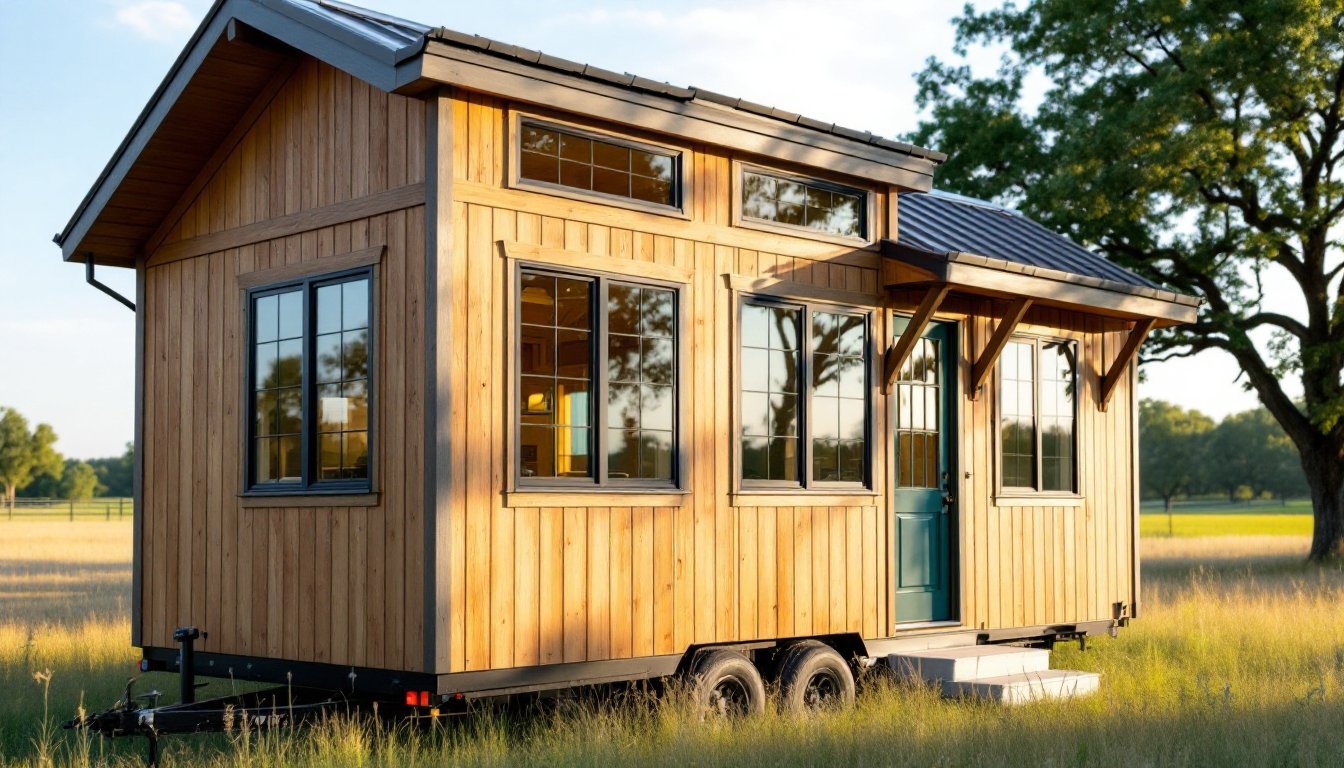
A tiny shed home starts as a prefabricated or site-built structure originally designed for storage or utility use, then upgraded with residential-grade features. Typical dimensions run 8×12 feet to 16×40 feet, though some manufacturers push past 400 square feet into small-cabin territory. Construction methods mirror those of standard sheds, engineered wood trusses, 2×4 or 2×6 wall framing on 16-inch centers, plywood or OSB sheathing, and metal or asphalt shingle roofing.
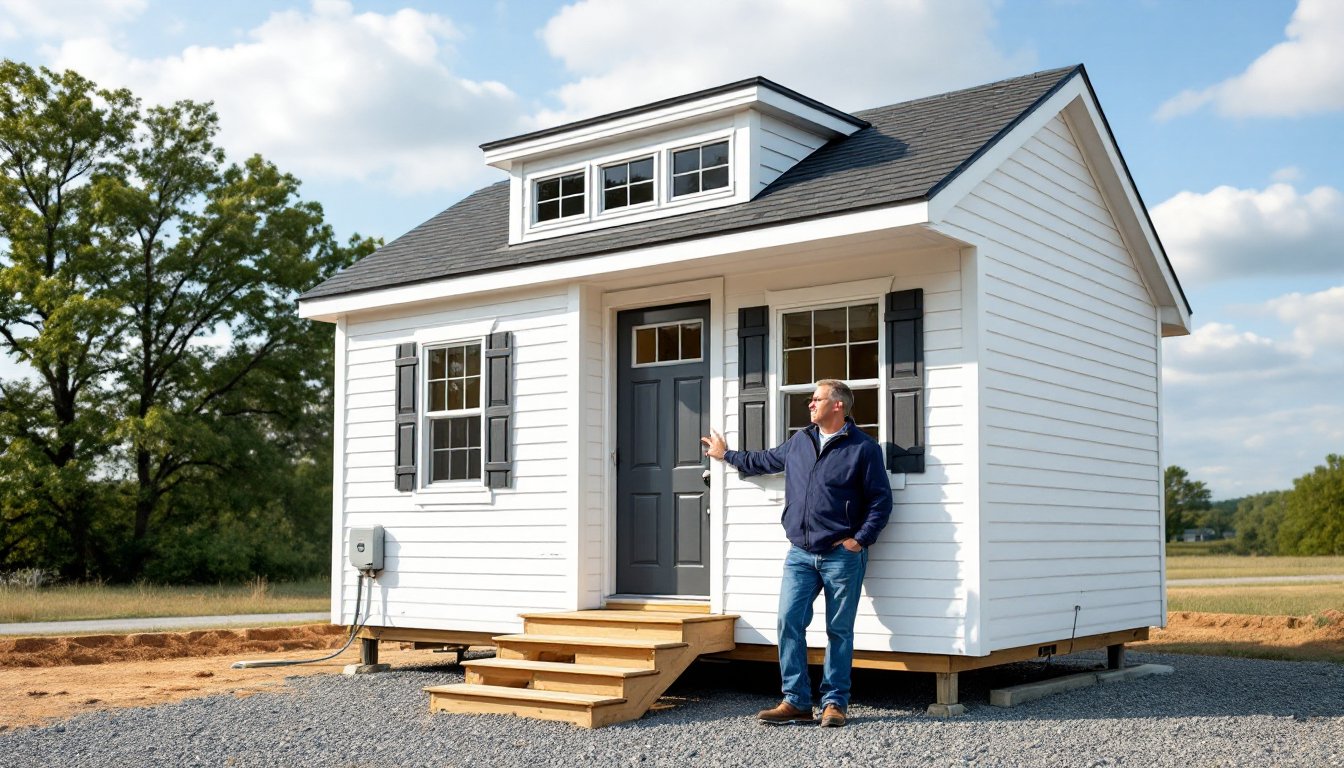
What sets them apart from conventional tiny homes on wheels is their foundation. Most shed homes sit on gravel pads, concrete piers, or shallow frost footings, which satisfies local codes in many jurisdictions without requiring the full foundation work of a stick-built house. This lowers upfront costs and speeds installation, but it also means the structure is semi-permanent, movable with a crane or flatbed, but not towable like an RV.
The trend accelerated during the 2020s as housing costs outpaced wage growth. Buyers priced out of traditional markets found that a $15,000–$40,000 shed conversion could deliver livable space faster than saving for a down payment. Remote work eliminated the need for proximity to expensive metro cores, and relaxed ADU regulations in states like California, Oregon, and Washington opened pathways for legal occupancy. Design enthusiasts embraced the challenge of maximizing tight layouts, while retirees and minimalists appreciated the reduced maintenance footprint compared to larger homes.
Where to Find Tiny Shed Homes for Sale
Online Marketplaces and Specialty Retailers
National shed manufacturers dominate online sales. Tuff Shed, Lowe’s, and Home Depot sell prefab models ranging from unfinished shells to insulated studios with windows, doors, and electrical rough-ins. Expect delivery within two to six weeks, depending on customization. These units ship as panels or arrive fully assembled via flatbed, then craned into place. Most include a one-year warranty on materials and workmanship.
Specialty tiny-home retailers like Tiny House Listings and Tiny Home Builders aggregate listings from regional fabricators. These platforms showcase finished interiors with cabinetry, flooring, and fixtures installed, often priced between $30,000 and $70,000 depending on finishes and square footage. Buyers can filter by delivery radius, foundation type, and whether the unit meets IRC Appendix Q standards for tiny houses.
Facebook Marketplace and Craigslist list used or demo shed homes at steep discounts. Inspect these in person, check for roof leaks, floor rot, and pest damage, especially around sill plates and corners. Confirm the structure wasn’t previously used for livestock or chemical storage, as odors and contamination can linger in OSB and insulation.
Local Builders and Custom Options
Regional shed builders often offer better value than national chains, especially for custom layouts. Search “prefab shed homes” or “studio sheds” plus your state to find fabricators within delivery range. Many operate out of rural areas with lower overhead, passing savings to buyers. Request references and photos of completed residential conversions, not all shed builders understand the jump from storage to living space.
Custom builds allow buyers to spec wall thickness (2×4 vs. 2×6 for better insulation), window placement, and electrical layouts before fabrication. This avoids retrofitting walls and running conduit after delivery. Builders familiar with ADU codes can also pre-wire for inspections, saving permit headaches. Lead times run 8–16 weeks, longer during spring and summer when demand peaks.
Some builders partner with land developers to sell shed homes as part of tiny-home communities. These developments include shared utilities, septic systems, and road access, simplifying the permitting process. Check whether HOA covenants restrict exterior modifications or require specific siding materials, this affects resale options and personalization. Many people exploring small-space living strategies find that working with a local builder who understands zoning nuances saves months of back-and-forth with code enforcement.
What to Consider Before Buying a Tiny Shed Home
Zoning and permits top the list. Shed homes occupy a gray area between accessory structures and primary dwellings. Most jurisdictions allow sheds under 120–200 square feet without permits, but adding plumbing, a kitchen, or sleeping loft often triggers residential building codes. Call the local building department before purchasing, ask whether the structure qualifies as an ADU, if a foundation is required, and what setbacks apply. Some rural counties have no minimum square footage for dwellings: others mandate 600+ square feet for habitable structures.
Utility hookups determine livability. A shell shed without electric, water, or sewer requires trenching, panel upgrades, and potentially septic installation. Budget $5,000–$15,000 for utility rough-ins if running lines more than 50 feet from existing service. Off-grid setups using solar panels, composting toilets, and rainwater catchment reduce infrastructure costs but add maintenance and may not satisfy code for legal occupancy. According to real estate and housing design resources, regulatory acceptance of off-grid ADUs varies widely by region.
Insulation and climate control separate a shed from a home. Uninsulated walls and single-pane windows make heating and cooling expensive. Specify R-13 to R-21 wall insulation (depending on climate zone) and R-30+ roof insulation. Mini-split heat pumps work well in tight spaces, providing both heating and cooling without ductwork. Size the unit correctly, 9,000 BTU handles most sheds under 400 square feet, but consult HVAC load calculations for your region.
Foundation and soil conditions affect longevity. Shed homes on gravel pads settle unevenly on clay or soft soil, leading to door misalignment and floor sag. Concrete piers or a 4-inch gravel base with compacted fill distribute weight better. Frost heave is a concern in northern climates, footings must extend below the frost line (often 36–48 inches) to prevent seasonal shifting. For anyone building from scratch, understanding essential construction techniques helps avoid costly foundation repairs down the line.
Financing presents challenges. Most lenders won’t write mortgages for structures under 400 square feet or without permanent foundations. Personal loans, home equity lines, or RV loans (if the unit qualifies) are common workarounds, but interest rates run higher than conventional mortgages. Some buyers pay cash or finance through manufacturer payment plans.
Pricing Guide: How Much Do Tiny Shed Homes Cost?
Unfinished shells start around $3,000–$8,000 for basic 10×12 or 12×16 structures with plywood floors, uninsulated walls, and a single door. These require full DIY conversion, framing interior walls, running electrical, adding insulation, and installing windows. Budget $10,000–$20,000 in materials and labor to reach livable condition, assuming the buyer handles most work.
Insulated studio models with windows, exterior doors, and finished siding run $12,000–$25,000. These include R-13 wall insulation, vinyl or LP SmartSide siding, and architectural shingle roofing. Electrical is often roughed in with a breaker panel and outlets, but no appliances or plumbing. Add $3,000–$8,000 for interior finishing, drywall, flooring, trim, and a kitchenette.
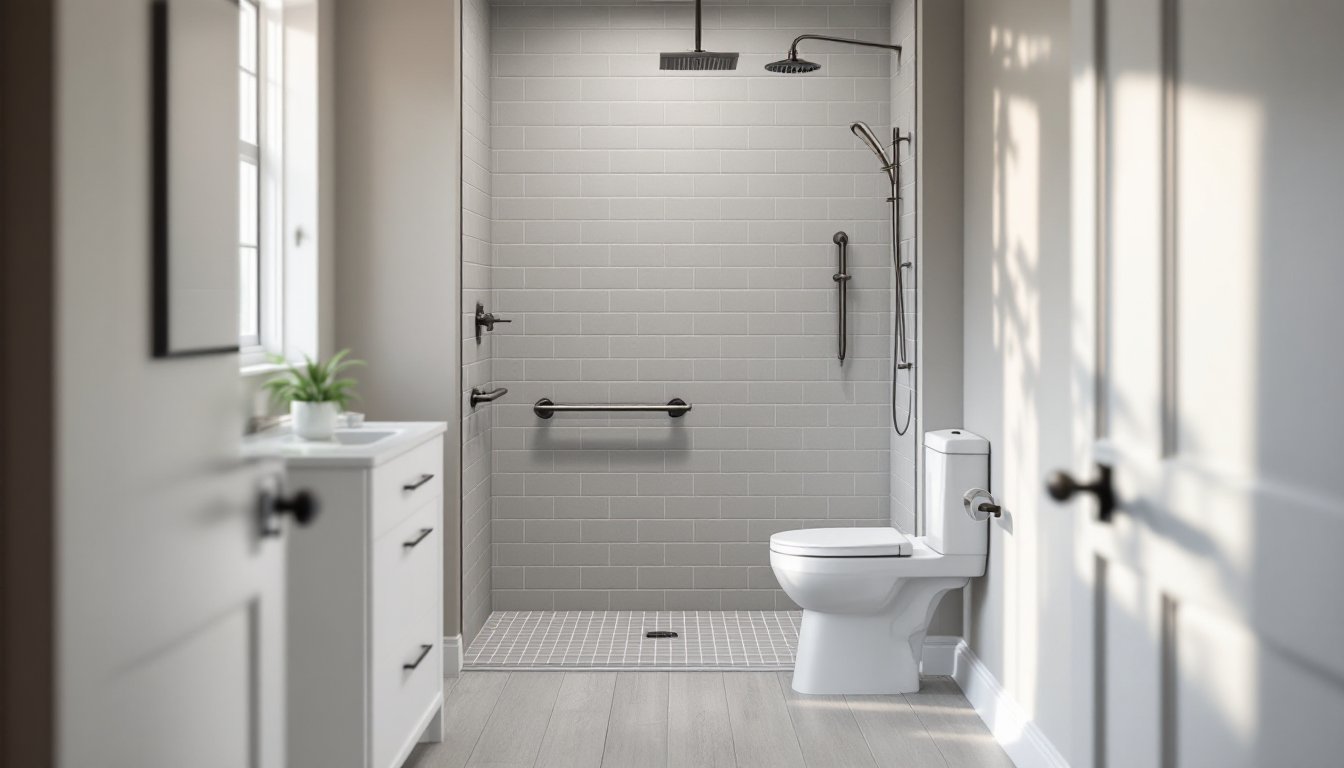
Turnkey tiny homes with full interiors, plumbing, and appliances range from $30,000 to $70,000+. High-end builds feature hardwood floors, quartz countertops, full bathrooms with tiled showers, and Energy Star appliances. Delivery and setup add $1,500–$5,000 depending on distance and site access. Crane fees apply if the structure can’t be rolled into place.
Regional pricing varies. Coastal markets and areas with tight inventory see 10–20% premiums. Rural Midwest and Southeast markets offer the lowest per-square-foot costs. Tariffs and lumber prices also fluctuate, softwood framing jumped 30% between 2023 and 2025 before stabilizing in 2026. Builders exploring beginner-friendly approaches often start with mid-range shells and finish interiors over several months to spread costs.
Used shed homes sell for 40–60% of new prices, but inspect thoroughly. Structural issues, outdated wiring, or mold remediation can erase savings. Factor in transportation, moving a 16×40 structure costs $3,000–$7,000 depending on permits and escort requirements.
Turning Your Tiny Shed Home into a Livable Space
Start with electrical and HVAC before closing walls. Hire a licensed electrician if adding a subpanel or upgrading service, most shed conversions need a 100-amp subpanel to handle heating, cooking, and outlets. Follow NEC guidelines for outlet spacing (every 12 feet along walls) and GFCI protection in kitchens and bathrooms. Inspections are required in most jurisdictions: failing to pull permits risks fines and complicates resale.
Insulation and vapor barriers prevent condensation and mold. Use closed-cell spray foam in rim joists and tight corners, then fiberglass batts or mineral wool in wall cavities. Install a 6-mil polyethylene vapor barrier on the warm side of the insulation (interior in cold climates, exterior in hot-humid zones). Skip this step, and moisture will rot framing within a few years. Many small-space design ideas emphasize proper moisture management as a foundation for long-term durability.
Plumbing requires planning. A full bathroom needs supply lines, drain pipes, and a vent stack penetrating the roof. PEX tubing simplifies supply runs and resists freezing better than copper. Drain lines require 1/4-inch per foot slope toward the main sewer or septic connection. If the shed sits far from existing plumbing, consider a macerating toilet that pumps waste uphill, eliminating the need for gravity drainage.
Interior layout prioritizes function over aesthetics. Use pocket doors or barn doors to save swing space. Murphy beds or lofted sleeping areas free up floor space for daytime use. Keep the kitchen galley-style along one wall, 24-inch-deep base cabinets leave a 30-inch aisle in a 10-foot-wide shed. Avoid overcrowding rooms with furniture: every piece should serve multiple purposes. Resources like Apartment Therapy showcase clever storage solutions that translate well to shed conversions.
Flooring takes abuse in small spaces. Luxury vinyl plank (LVP) handles moisture, resists scratches, and installs over plywood subfloors without adhesive. Avoid carpet, it traps odors and allergens. If installing tile, ensure the subfloor is stiff enough (double-layer 3/4-inch plywood or Schluter Ditra membrane) to prevent cracking grout lines. Homeowners adding finishing touches often reference design and renovation inspiration for material selections that balance durability with aesthetics.
Exterior maintenance extends lifespan. Repaint or reseal siding every 3–5 years. Check roof flashing around vents and chimneys annually, leaks start small and spread fast in tight spaces. Ensure gutters drain away from the foundation: standing water undermines piers and rots sill plates. Anyone investing in proper building tools can handle routine upkeep without hiring contractors.
Safety gear matters during conversions. Wear respirators with P100 filters when cutting treated lumber or insulation. Use hearing protection with circular saws and impact drivers. Safety glasses are non-negotiable, OSB and metal roofing throw sharp debris. Keep a fire extinguisher rated for electrical and wood fires on-site during construction and afterward.