Table of Contents
ToggleTiny RV homes blend the minimalist appeal of tiny houses with the mobility of recreational vehicles, creating a unique living option that’s gaining traction in 2026. Unlike static dwellings or vacation campers, these homes-on-wheels serve as full-time residences designed for comfort, efficiency, and freedom. Whether someone’s seeking financial flexibility, location independence, or a simpler lifestyle, tiny RV homes offer a practical path. This guide covers what defines these mobile dwellings, their advantages, popular configurations, design essentials, and budgeting strategies for anyone ready to downsize and hit the road.
Key Takeaways
- Tiny RV homes blend minimalist living with mobility, costing $30,000–$100,000—far less than traditional housing while offering financial freedom and location independence.
- Unlike standard RVs, tiny RV homes feature residential-grade insulation, quality appliances, and upgraded electrical systems designed for year-round comfortable living rather than seasonal camping.
- Popular tiny RV home configurations include Class B campervans ($70,000+), DIY van conversions ($25,000–$50,000), travel trailers ($20,000–$60,000), and fifth wheels ($40,000+), each offering different space and towing trade-offs.
- Essential design features—multipurpose furniture, smart storage, reliable power systems with solar and lithium batteries, and efficient water usage—maximize comfort in compact spaces.
- Monthly costs for tiny RV homes typically run $1,200–$2,500 (including lot rent, insurance, and utilities), and factory-built models hold resale value better than custom conversions, making them a sustainable long-term investment.
What Are Tiny RV Homes and How Do They Differ from Traditional RVs?
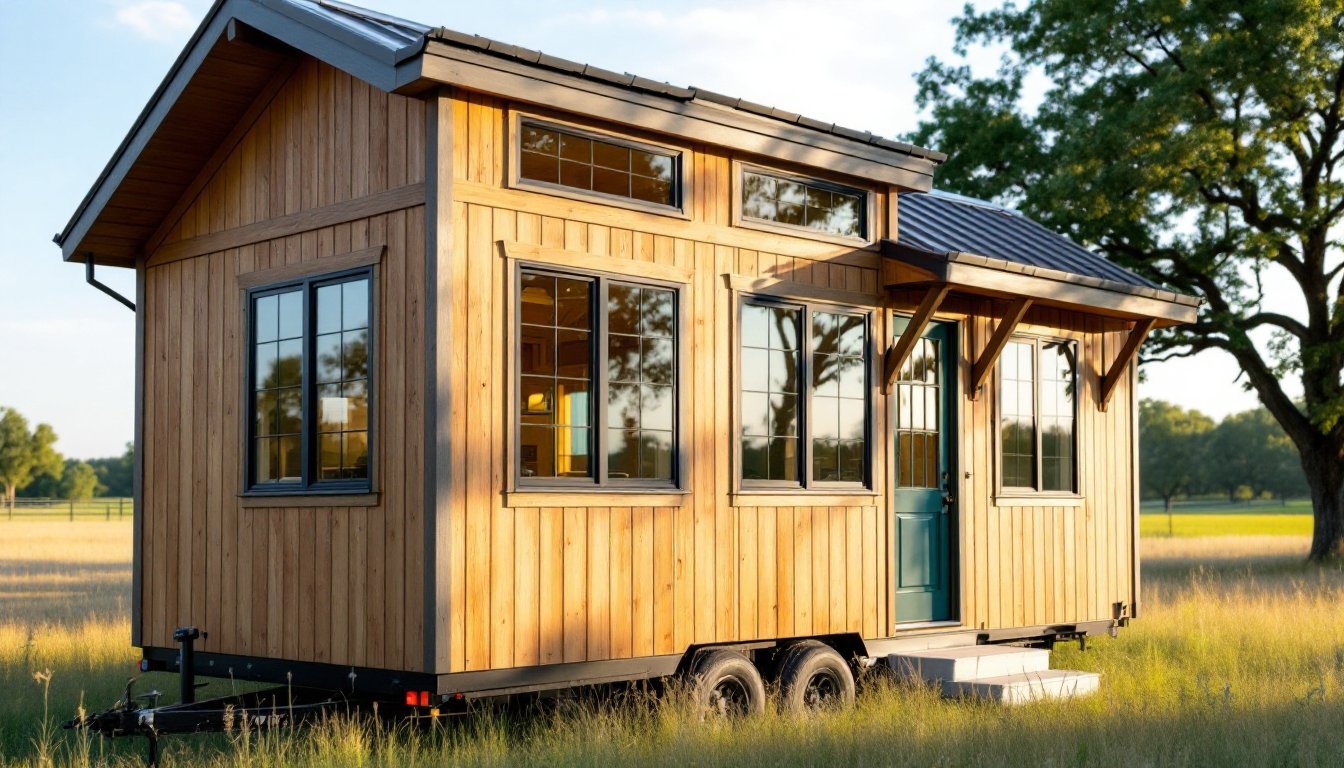
A tiny RV home is a recreational vehicle retrofitted or purpose-built for year-round living rather than occasional camping trips. The key difference lies in construction quality, insulation, and interior systems. Traditional RVs use lightweight materials, thin wall panels, basic insulation, and single-pane windows, because they’re designed for seasonal use. Tiny RV homes incorporate residential-grade insulation (R-values of 13-21 in walls, 30+ in ceilings), double-pane or thermal windows, and reinforced framing to handle temperature extremes and daily wear.
Another distinction is appliance and fixture quality. Standard RVs install compact, RV-specific units that prioritize weight savings over longevity. Tiny RV homes often feature apartment-sized appliances, solid-surface countertops, and plumbing fixtures rated for continuous use. Electrical systems are also beefed up: many tiny RV homes run on 30- or 50-amp service with upgraded inverters and lithium battery banks to support off-grid living.
Legally, tiny RV homes occupy a gray area. They’re titled as RVs, which allows them to bypass many residential building codes, but zoning laws vary widely. Some municipalities permit them in RV parks or on private land with utility hookups, while others restrict long-term occupancy. Anyone considering this lifestyle should research local ordinances and clarify whether a dwelling will be parked semi-permanently or moved frequently. The expanded movement toward tiny living has prompted some jurisdictions to create specific regulations for mobile dwellings, but consistency remains limited.
The Benefits of Choosing a Tiny RV Home Lifestyle
Financial freedom tops the list. The average tiny RV home costs between $30,000 and $100,000, depending on size and custom features, far less than traditional housing. Owners avoid mortgage debt, and monthly expenses drop significantly. Lot rent at RV parks ranges from $300 to $800 per month, utilities included, compared to typical apartment or mortgage payments. Maintenance costs are lower too, since there’s less square footage to heat, cool, or repair.
Mobility offers unmatched flexibility. Those who work remotely can relocate seasonally, following favorable weather or job opportunities. Retirees use tiny RV homes to travel without sacrificing the comforts of home. Even those who park semi-permanently retain the option to move if circumstances change, a major advantage over fixed foundations.
The lifestyle also encourages simplified living. Limited storage forces intentional consumption and reduces clutter. Many owners report lower stress and more time spent outdoors or on hobbies rather than maintaining a large property. Compact spaces can feel liberating rather than confining when designed thoughtfully.
Environmentally, tiny RV homes have a smaller footprint. They consume less energy for heating and cooling, and many owners install solar panels and composting toilets to reduce reliance on municipal infrastructure. Water usage drops when showers and sinks are designed for efficiency. While not zero-impact, the lifestyle aligns with sustainability goals more naturally than sprawling suburban homes. The focus on intentional design common in small-space living translates well to mobile dwellings, where every square foot must earn its keep.
Popular Types of Tiny RV Homes to Consider
Choosing the right platform depends on budget, towing capacity, and how much space one needs. The two most common categories offer distinct trade-offs.
Class B Campervans and Converted Vans
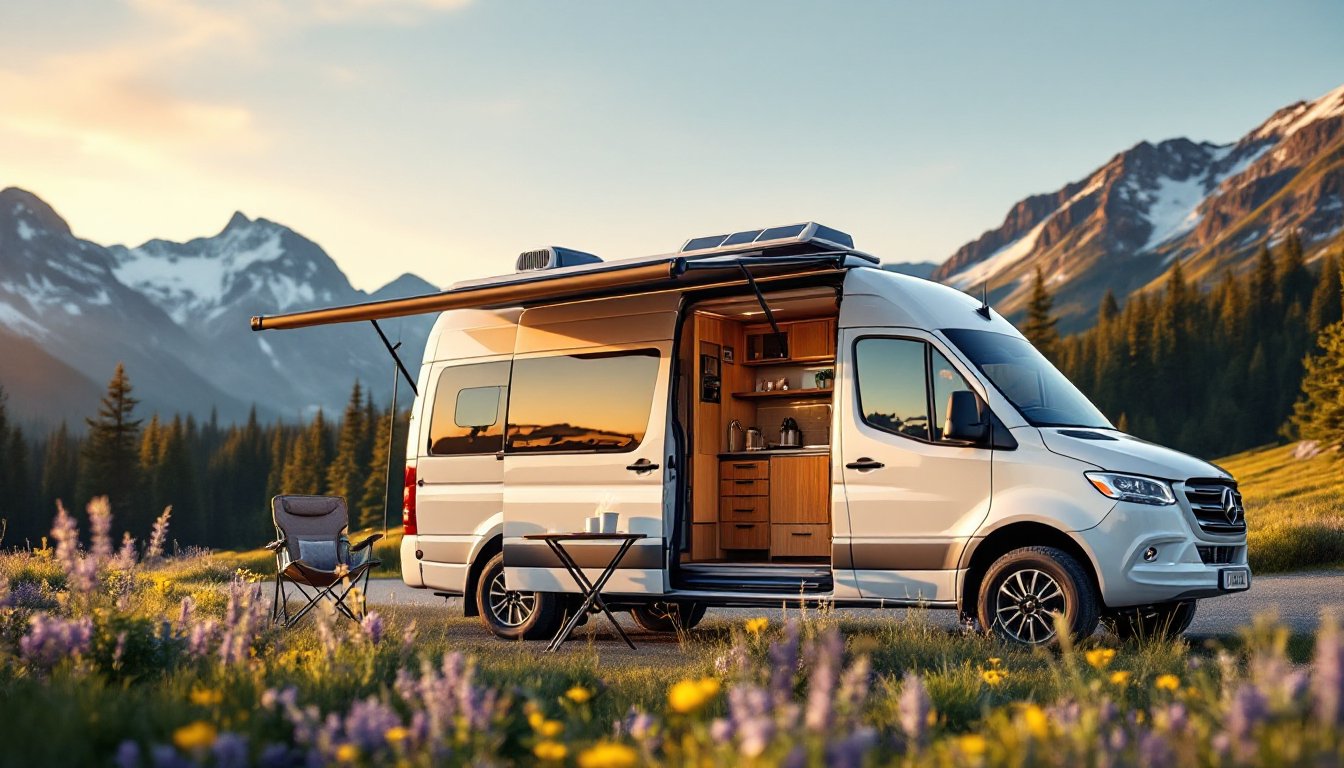
Class B campervans are built on van chassis, typically Ford Transit, Mercedes Sprinter, or Ram ProMaster models. They range from 16 to 24 feet in length and offer stealth parking, easier maneuverability, and better fuel economy (14-18 mpg) than larger RVs. Factory-built Class Bs include kitchenettes, wet baths, and sleeping areas, but customization options are limited. Prices start around $70,000 new.
Converted vans (often called DIY van builds) allow total control over layout and materials. Owners insulate walls with spray foam or rigid board (aim for R-13 minimum), install residential mini-split systems for climate control, and build custom cabinetry from plywood or bamboo. Electrical systems typically include a 200-400 amp-hour lithium battery bank, a 2000-watt inverter, and 400-800 watts of rooftop solar panels. Plumbing involves a freshwater tank (20-30 gallons), a gray water tank, and either a cassette toilet or composting unit.
Van conversions require carpentry skills, basic electrical knowledge, and patience. Budget $10,000-$30,000 for materials plus the van purchase. The benefit is a tailored home that meets specific needs without paying for unused features. But, resale value can be unpredictable, and financing converted vans is harder than factory-built units. Those exploring how to build their own compact living spaces often find van conversions a good entry point.
Travel Trailers and Fifth Wheels
For those needing more space, travel trailers (bumper-pull models) range from 20 to 35 feet and offer separate bedroom, kitchen, and living areas. They require a truck with adequate towing capacity, typically a half-ton or larger pickup with a Class III or IV hitch and brake controller. Travel trailers cost $20,000-$60,000 new and are easier to finance than custom builds. Look for models with four-season insulation packages, enclosed underbellies, and heated tanks if planning to live in cold climates.
Fifth wheels attach via a hitch mounted in the truck bed, providing better stability and towing ease. They range from 25 to 40 feet, with taller ceilings and more storage than travel trailers. Fifth wheels often include slide-outs that expand living space when parked. Prices start around $40,000 and climb past $100,000 for luxury models. They demand a heavy-duty truck (three-quarter-ton or one-ton) and aren’t practical for those without a suitable tow vehicle.
Both types allow owners to unhitch and use the tow vehicle for errands, a major advantage over motorhomes. Maintenance focuses on tires (check PSI monthly and replace every 5-7 years), roof seals (inspect twice yearly), and bearing repacks (annually or every 10,000 miles). These mobile homes align with practical strategies for downsizing without sacrificing livability.
Essential Design Features for Comfortable Tiny RV Living
Smart design transforms cramped quarters into functional homes. Prioritize these features whether buying or building.
Multipurpose furniture maximizes space. Dinettes that convert to beds, fold-down desks, and storage ottomans eliminate single-use items. Murphy beds free up floor space during the day. Many creative small-space solutions used in stationary tiny homes adapt well to mobile layouts.
Adequate storage prevents clutter chaos. Vertical cabinets, under-bed drawers, and overhead compartments use every inch. Install pull-out pantry shelves and magnetic strips for knives and tools. Assign specific zones for gear, outdoor equipment near the door, clothing in the bedroom, pantry items in the kitchen, to maintain order. The organizational principles that work in apartments translate directly to RV living.
Climate control is non-negotiable for year-round comfort. Roof-mounted air conditioning units (13,500-15,000 BTU) handle summer heat, while propane furnaces or diesel heaters manage winter cold. Supplement with portable electric heaters or fans when shore power is available. Insulate windows with reflective shades or thermal curtains. Ceiling fans improve air circulation and reduce reliance on HVAC systems.
Reliable power systems support modern lifestyles. A basic setup includes a 200-amp-hour lithium battery, 400 watts of solar panels, and a 2000-watt pure sine wave inverter. This powers lights, a laptop, a small fridge, and phone charging. Upgrade to 400-600 amp-hours and 800+ watts of solar for running microwaves, induction cooktops, or power tools. Add a battery monitor (like Victron BMV-712) to track consumption and avoid over-discharge. Shore power (30- or 50-amp service) at RV parks provides unlimited electricity and recharges batteries.
Water efficiency extends boondocking time. Install a low-flow showerhead (1.5 gpm or less) and aerated faucet aerators. Use foot-pump sinks to control flow precisely. Collect gray water runoff for non-potable uses like flushing toilets. A 30-gallon freshwater tank lasts one person 5-7 days with careful use: 50-60 gallons suits couples. Composting toilets eliminate black water tanks and reduce environmental impact.
Safety equipment deserves attention. Mount smoke and carbon monoxide detectors (battery-powered with 10-year sealed batteries). Keep a fire extinguisher (rated ABC, 5-10 lbs) near the kitchen. Install propane leak detectors if using gas appliances. Secure heavy items with bungees or cargo nets to prevent shifting during travel.
Budgeting and Financing Your Tiny RV Home
Costs vary widely based on whether one buys new, used, or builds from scratch. Breaking down expenses helps avoid sticker shock.
Purchase or build costs range from $10,000 for a used travel trailer to $150,000+ for a custom luxury fifth wheel. DIY van conversions land in the $25,000-$50,000 range including the vehicle. Factory-built Class Bs start at $70,000, while new travel trailers run $30,000-$60,000. Fifth wheels begin around $40,000. Those comparing compact living options often find that RV-based homes offer better mobility than stationary tiny houses at similar price points.
Financing options include RV loans (10-20 year terms, 4-8% APR depending on credit), personal loans (shorter terms, higher rates), or cash purchases. Lenders treat factory-built RVs favorably but hesitate on custom conversions. Putting down 20-30% reduces monthly payments and interest. Those with equity in traditional homes sometimes refinance or take home equity loans to fund an RV purchase, though this ties mobile living to fixed assets.
Ongoing expenses include lot rent ($300-$800/month), insurance ($600-$1,500/year for full-timers), propane ($30-$100/month depending on usage), maintenance ($1,000-$2,000/year for tires, seals, and repairs), and fuel if moving frequently. Internet via cellular hotspots or Starlink adds $50-$150/month. Total monthly costs typically run $1,200-$2,500, still well below traditional housing in most markets.
Hidden costs catch newcomers off guard. Mail forwarding services ($10-$20/month) provide a legal address. Some states require annual RV inspections or registration fees based on weight. Upgrading electrical systems, adding solar, or improving insulation post-purchase can add $5,000-$15,000. Budget a reserve fund for unexpected repairs, blowouts, water heater failures, or refrigerator replacements happen.
Resale value holds reasonably well for quality builds. Factory RVs depreciate 20-30% in the first three years, then 5-10% annually. Custom conversions depend heavily on craftsmanship and documentation. Maintaining service records, using quality materials, and keeping the interior clean preserve value. Those who treat tiny RV homes as long-term investments rather than disposable goods fare better financially. Many beginners entering this space find that starting with a used, well-maintained unit reduces financial risk while they test the lifestyle.
Understanding these financial realities, and budgeting conservatively, prevents buyer’s remorse. The freedom of tiny RV living works best when the numbers support it. Those drawn to examples of successful downsizing often note that financial planning mattered as much as design choices in making the transition sustainable.