Table of Contents
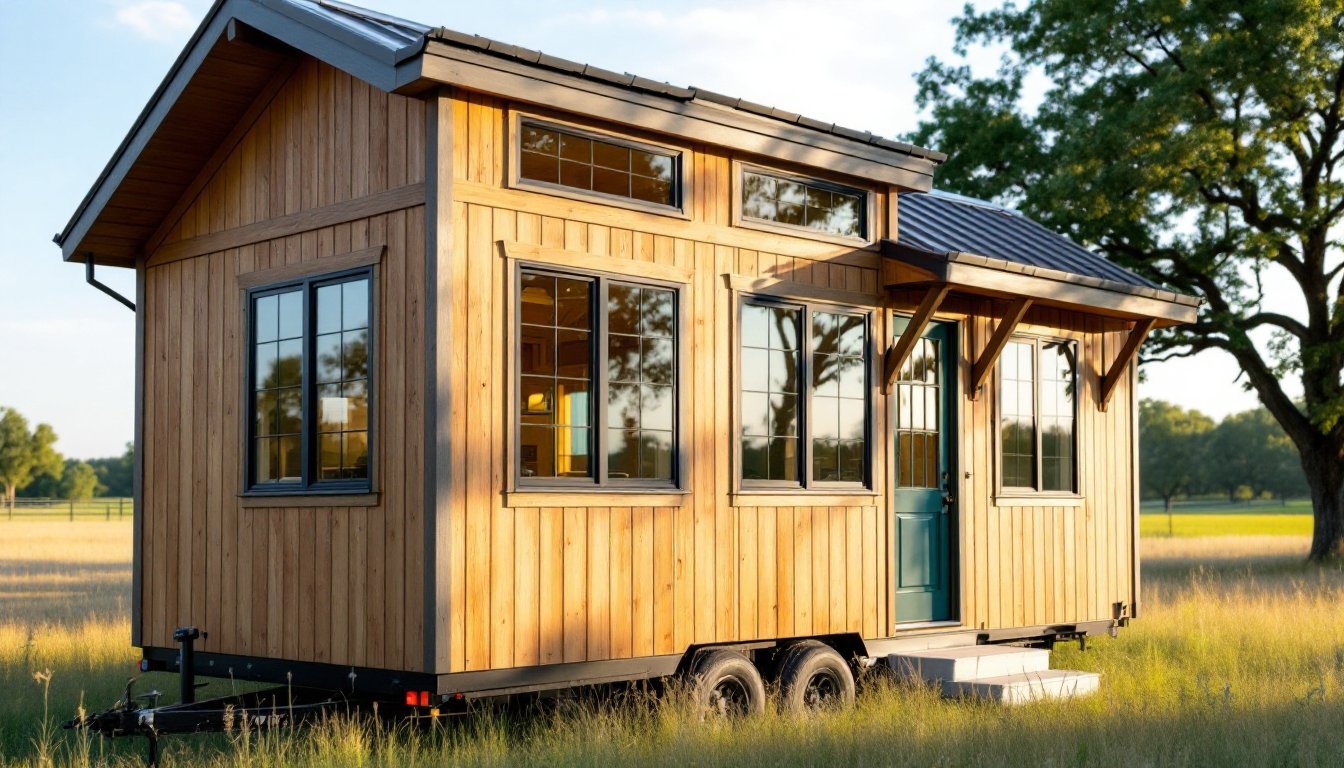
ToggleLiving in under 400 square feet forces you to rethink everything about possessions. Every item needs a designated place, every surface must serve two purposes, and every vertical inch becomes prime real estate. Tiny house storage isn’t about cramming more stuff into less space, it’s about engineering smart systems that make small spaces function like larger ones. Whether someone’s building from scratch or retrofitting an existing tiny home, these solutions combine construction know-how with creative problem-solving. The difference between a cramped cabin and a functional tiny house often comes down to storage execution.
Key Takeaways
- Tiny house storage must be engineered as structural infrastructure during framing, not added as an afterthought, to maximize functionality in spaces under 400 square feet.
- Vertical storage solutions—including ceiling-height shelving, wall-mounted rail systems, and overhead cabinets extending to within 2 inches of the ceiling—effectively capture unused wall height and double usable space.
- Multi-functional furniture such as platform beds with integrated drawers, Murphy beds, and ottomans with lift-up lids eliminates the need for separate pieces and reduces clutter in tiny homes.
- Kitchen and bathroom storage hacks like magnetic knife strips, pull-out pantry cabinets, toe-kick drawers, and recessed medicine cabinets pack maximum function into minimal space.
- Under-stair and loft knee wall storage, along with external solutions like storage benches and roof pods, capture awkward voids and expand storage capacity without sacrificing interior living space.
- Successful tiny house storage starts with a detailed inventory of belongings and treats every surface as an opportunity for dual-purpose function to create homes that live larger than their square footage.
Why Storage Is the Biggest Challenge in Tiny House Living
Most tiny homes measure between 100 and 400 square feet, compared to the average U.S. home at 2,500 square feet. That’s roughly 6–15% of conventional living space. The math is brutal: residents need to store clothing, kitchen equipment, tools, toiletries, and seasonal items in a footprint smaller than many master bedrooms.
Traditional storage solutions don’t translate to tiny spaces. Standard closet systems waste vertical height. Freestanding dressers consume precious floor area without adding functionality beyond storage. Conventional kitchen cabinets often exceed the proportions of tiny home walls, and standard bathroom vanities eat up square footage better used for movement.
Building codes add another layer of complexity. Many jurisdictions require minimum ceiling heights (typically 7 feet for habitable spaces per IRC standards), loft access that meets stair or ladder specifications, and egress windows in sleeping areas. These requirements limit where and how storage can be integrated structurally.
The tiny house movement has pushed builders to treat storage as infrastructure rather than furniture, something designed into the bones of the structure during framing, not added afterward. Weight distribution matters too, especially for tiny homes on wheels (THOWs), where overloading one side or exceeding the trailer’s GVWR (Gross Vehicle Weight Rating) creates safety hazards.
Vertical Storage Solutions That Double Your Space
Floor space is finite in tiny homes, but wall height rarely gets fully utilized. Building storage vertically captures cubic footage that would otherwise go wasted above head height.
Ceiling-height shelving transforms walls into functional zones. Install ¾-inch plywood shelves on adjustable bracket systems or fixed French cleats. Mount shelves at varying depths: 12 inches for books and decor, 16 inches for bins and baskets, 6 inches for spice racks or toiletries. Always anchor to wall studs with 3-inch deck screws or toggle bolts rated for the load.
Wall-mounted rail systems, like slat walls or pegboard, offer reconfigurable storage. Use ¼-inch tempered pegboard backed with ¾-inch furring strips for rigidity, or install commercial-grade slat wall panels rated for heavier loads. These systems work especially well in workshops, kitchens, and entry areas where needs shift seasonally.
Overhead cabinets in kitchens and bathrooms should extend to within 2 inches of the ceiling. That extra 12–18 inches above standard cabinet height stores seldom-used items: holiday dishware, bulk pantry goods, or off-season linens. Use soft-close hinges to prevent cabinet doors from slamming in tight quarters.
Wall-hung folding desks and tables collapse flat when not in use. Mount them to studs with heavy-duty piano hinges and install a folding leg brace or cable support rated for at least 150 pounds. Finish edges with iron-on veneer or 1×2 hardwood trim to match interior aesthetics.
Safety note: Always wear safety glasses when cutting plywood or drilling overhead. Use a stud finder to verify framing locations, drywall anchors alone won’t support loaded shelves.
Multi-Functional Furniture for Hidden Storage
Every piece of furniture in a tiny home should serve at least two purposes. Multi-functional pieces reduce clutter while maintaining livability.
Platform beds with integrated storage replace both a bed frame and a dresser. Build a platform with 2×6 joists on 16-inch centers, topped with ¾-inch plywood. Underneath, install pull-out drawers on full-extension ball-bearing slides rated for 100 pounds each, or hinge the platform top for lift-up access. Storage beds can hold off-season clothing, bedding, or bulky items that don’t fit elsewhere.
Ottomans and benches with lift-up lids provide seating and storage. Construct a simple bench using 2×4 framing, ½-inch plywood sides, and 1×4 pine for the top. Add soft-close lid stays to prevent pinched fingers. Upholster the top with 2-inch foam and durable fabric for comfort.
Murphy beds (wall beds) free up floor space during daytime. Kits with gas piston lift mechanisms start around $600 and require solid backing, either wall studs or a ¾-inch plywood backer spanning multiple studs. Installation typically takes a full day for someone comfortable with carpentry. Alternatively, creative storage furniture designs can be adapted to suit tiny home layouts.
Staircase storage beats ladders for loft access and functionality. Each tread can conceal a pull-out drawer or lift-up compartment. Use 11-inch tread depth minimum per IRC code, and install drawers on undermount slides for a clean look. Building storage stairs is advanced carpentry, if you’re uncertain about load calculations or code compliance, consult a professional.
Coffee tables with internal shelving or lift-top mechanisms store remotes, books, and laptops while serving as a dining surface. Look for models with hydraulic lift hinges that hold the top at a comfortable eating height.
Kitchen and Bathroom Storage Hacks for Tiny Homes
Kitchens and bathrooms pack the most function into the smallest footprints. Storage here must be precise and accessible.
Magnetic knife strips and spice racks mount to walls or cabinet sides, freeing drawer space. Install magnetic strips to studs or use construction adhesive rated for the surface. Similarly, compact organization strategies help reduce visual clutter in tight spaces.
Pull-out pantry cabinets, tall, narrow units 6–8 inches wide, fit in gaps beside refrigerators or ranges. Install them on full-extension slides so contents remain visible and reachable. These units work well for canned goods, spices, or baking supplies.
Toe-kick drawers use the recessed space beneath base cabinets. Standard toe kicks are 4 inches tall and recessed 3 inches. Build shallow drawers (2½ inches tall) for flat items: baking sheets, cutting boards, or placemats. Use low-profile drawer slides and a touch-latch mechanism since there’s no room for handles.
Over-the-sink cutting boards and colanders maximize prep space. Choose bamboo or hardwood boards that span the sink width and rest on the rim. These double as drying racks when not in use.
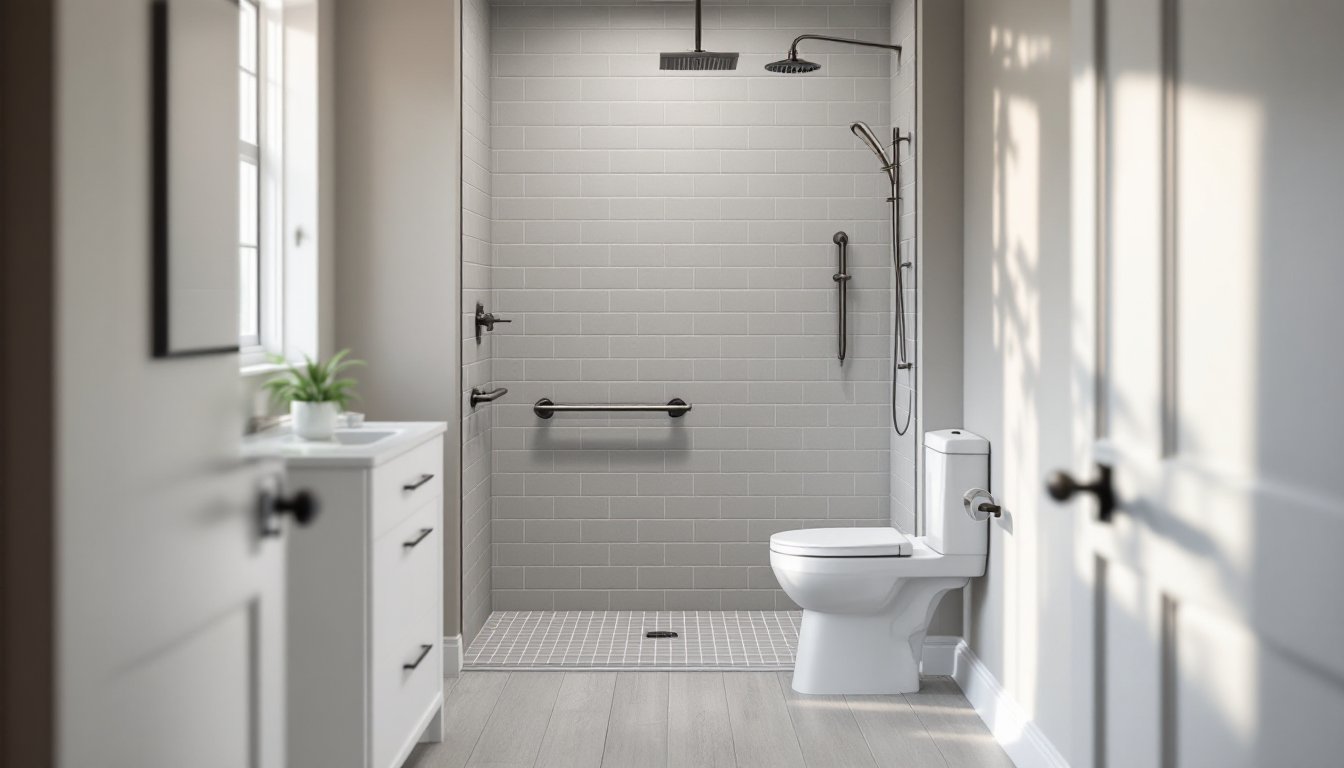
In bathrooms, recessed medicine cabinets built between studs (typically 14½ inches wide for 16-inch on-center framing) store toiletries without protruding into the room. Install them at 60 inches above finished floor for comfortable access.
Wall-mounted faucets free up counter space on vanities by eliminating deck-mounted hardware. They require blocking behind the wall and precise rough-in measurements, 8 inches above the sink rim is typical. If you’re not experienced with plumbing, hire a licensed plumber for this upgrade.
Over-toilet shelving units or cabinets capture dead space. Secure them to wall studs with 3-inch screws and verify clearance for the toilet tank lid. Open shelving works for decor and baskets: closed cabinets conceal less attractive necessities.
Clever Under-Stair and Loft Storage Ideas
Lofts and stairs create awkward voids that, with planning, become high-capacity storage zones.
Under-stair storage is the most underutilized space in tiny homes with loft sleeping areas. Each stair tread can incorporate a drawer, pull-out bin, or hinged door accessing the cavity behind. Frame compartments with ½-inch plywood dividers and add magnetic catches or roller catches to keep doors closed during movement (critical in THOWs).
For homes using ladders instead of stairs, consider switching to an alternating-tread staircase (also called a ship’s ladder). These meet code in many jurisdictions as loft access and still allow for under-tread storage cubbies.
Loft knee walls, the short walls where the ceiling slopes, are prime real estate for built-in drawers or cabinets. Frame openings with 2×4 lumber to match wall studs, then build drawer boxes from ½-inch plywood or use pre-made cabinet boxes. These areas are perfect for clothing, shoes, or bedding since they’re right beside the sleeping area.
Bulkhead storage above staircases or bathroom soffits can be accessed via hatches or doors. Use piano hinges for wide access panels and add a lid support if the opening is overhead. These spaces suit seasonal items or things accessed infrequently.
Floor hatches in loft platforms can access storage below. Reinforce the opening with double joists and build a flush hatch with a recessed pull ring. This works well for suitcases, camping gear, or holiday decorations. Those planning a tiny home build often incorporate space-saving design principles from the start to maximize function.
Outdoor and External Storage Options
Not all storage needs to be inside the living envelope. External solutions expand capacity without sacrificing interior space.
Exterior storage benches on porches or decks hold gardening tools, outdoor cushions, or firewood. Build them with pressure-treated lumber (rated for ground contact if they’ll sit on concrete or pavers) and line interiors with pond liner or roofing membrane to shed moisture. Use stainless steel hinges and hardware to resist corrosion.
Hitch-mounted cargo carriers work for tiny homes on wheels. Choose models rated to match the hitch class, typically Class III (500-pound tongue weight) for most THOWs. Weatherproof cargo boxes protect items from road spray and weather. Check local regulations: some states limit rear overhang without additional lighting or flags.
Roof-mounted storage pods or roof decks use space above the main structure. For tiny homes on wheels, verify the trailer and wall framing can support additional roof loads, typically requiring engineered trusses or rafters on 16-inch centers. Roof access usually requires a permanent ladder, which may affect towability and clearance. This is advanced work: consult a structural engineer if unsure about load paths.
Skirting storage beneath trailer-mounted tiny homes keeps items out of sight but accessible. Frame vented access panels to prevent moisture buildup and use the space for tools, hoses, or leveling blocks. Secure items so they won’t shift during towing. Many foundation and design strategies include external storage in the initial plan.
Shed attachments or small outbuildings supplement main storage. Even a 6×8-foot shed adds 48 square feet. Check local zoning for setback requirements and permit thresholds, many areas allow sheds under 120 square feet without permits, but rules vary.
Conclusion
Tiny house storage demands intentionality at every phase, from framing to finish work. Builders who think vertically, design furniture with dual purposes, and use every void and cavity will create homes that live larger than their square footage suggests. Start with a detailed inventory of belongings, then design storage around actual needs rather than guessing. The most successful tiny homes treat storage as structural infrastructure, not an afterthought. With precise planning and execution, even 200 square feet can feel spacious and organized.