Table of Contents
ToggleBaton Rouge’s housing market is seeing something different: compact, efficient homes under 400 square feet selling alongside traditional properties. Tiny homes aren’t just a trend, they’re a practical response to rising housing costs, property taxes, and the desire for simplified living in Louisiana’s capital. Whether you’re downsizing after retirement, looking for an affordable entry point into homeownership, or seeking a backyard rental unit, the Baton Rouge market offers options from DIY shells to turnkey models. This guide covers what’s available, where to find it, and what you’ll need to navigate zoning, financing, and placement in East Baton Rouge Parish and surrounding areas.
Key Takeaways
- Tiny homes for sale in Baton Rouge range from $10,000 DIY shells to $120,000+ custom foundation-built units, offering affordable homeownership as median traditional home prices exceed $265,000.
- Zoning compliance is critical—East Baton Rouge city limits restrict most tiny homes due to minimum square footage requirements, but unincorporated parishes like Livingston and Ascension offer much looser placement options.
- Tiny homes in Baton Rouge require alternative financing such as personal loans, RV loans, or construction-to-permanent loans, since traditional mortgages don’t typically cover these properties.
- Budget beyond the purchase price for land ($20,000–$60,000), site preparation ($8,000–$20,000), foundation work ($3,000–$6,000), and permits, adding 30–50% to total project costs.
- Accessory dwelling units (ADUs) are a growing income strategy in Baton Rouge, allowing homeowners to place tiny homes as backyard rentals while keeping property footprints small and meeting neighborhood zoning.
Why Tiny Homes Are Gaining Popularity in Baton Rouge
The median home price in Baton Rouge climbed past $265,000 in 2025, pushing many buyers toward alternatives. Tiny homes offer a solution: full ownership at a fraction of the cost, lower property taxes, and drastically reduced utility bills. A 400-square-foot tiny home on a foundation uses roughly 60-70% less energy than a comparable traditional home, cutting cooling costs, important in Louisiana’s humid subtropical climate.
Baton Rouge’s location also makes tiny living appealing. The city sits outside hurricane evacuation zones compared to coastal Louisiana, and the availability of rural land in Livingston, Ascension, and West Baton Rouge parishes provides placement options without strict municipal codes. Buyers range from LSU staff seeking affordable housing near campus to retirees looking to downsize while staying close to family.
Another driver: accessory dwelling units (ADUs). Many homeowners purchase tiny homes as backyard rentals or guest houses, generating income while keeping property footprints small. This approach suits Baton Rouge’s single-family residential neighborhoods, where demand for rental housing remains high. According to Apartment Therapy, small-scale living trends have grown nationwide as housing affordability declines.
Types of Tiny Homes Available in the Baton Rouge Market
The Baton Rouge market breaks down into four main categories:
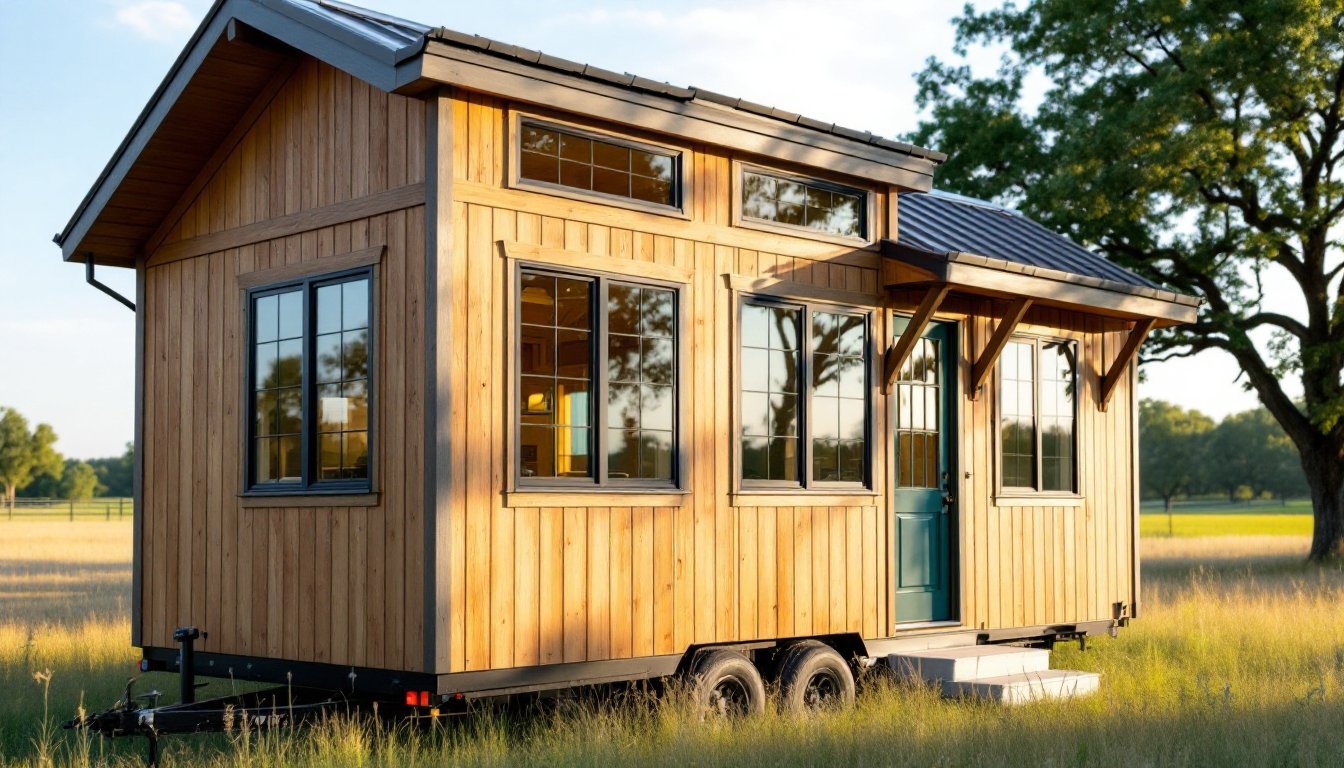
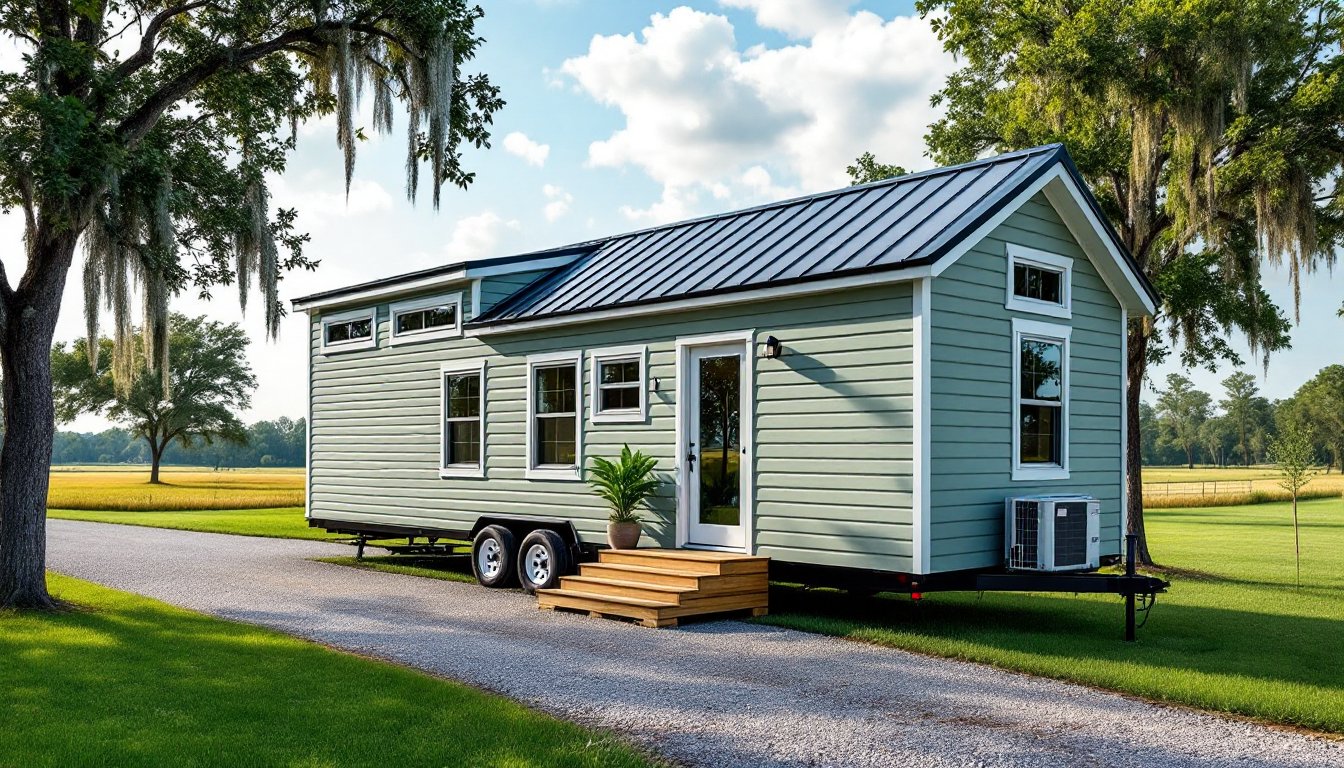
Tiny homes on wheels (THOWs): Built on trailer chassis, classified as RVs under Louisiana law. Sizes range from 8.5 feet wide by 20-30 feet long. These require no foundation but face stricter placement limits due to zoning. They’re popular for rural properties and RV parks.
Foundation-built tiny homes: Permanent structures on concrete slab or pier-and-beam foundations, typically 100-600 square feet. These qualify as traditional dwellings under building codes, making financing and permitting easier. Builders often use 2×4 stud framing with metal or shingle roofing.
Prefab and modular units: Factory-built sections delivered to the site and assembled. These meet HUD manufactured home standards or IRC (International Residential Code) depending on the manufacturer. Prefabs speed up construction but require crane access and wide delivery routes.
DIY shells and kits: Framed structures with exterior sheathing and roofing, leaving interior finishing to the buyer. Kits cost less upfront but demand carpentry skills, electrical knowledge, and time. Expect to handle your own insulation, drywall, plumbing rough-in, and finishes.
Each type suits different buyers. If you’re weighing mobility versus permanence, reviewing tiny home comparisons helps clarify trade-offs.
Where to Find Tiny Homes for Sale in Baton Rouge
Baton Rouge lacks dedicated tiny home dealerships, so buyers source from several channels:
Local builders and custom fabricators: Small-scale builders in Denham Springs, Gonzales, and Baker construct custom tiny homes on-site or deliver completed units. Search for “custom tiny home builders Louisiana” or ask at local lumber yards like 84 Lumber or Carter Lumber for referrals.
Online marketplaces: Websites like Tiny House Listings, Zillow, and Facebook Marketplace list both new and used tiny homes. Filter by location (within 100 miles of Baton Rouge) and delivery options. Expect to arrange your own transport if purchasing out-of-state.
RV dealers: Some RV dealers in Baton Rouge and nearby Lafayette carry park model RVs, which resemble tiny homes but fall under ANSI A119.5 standards instead of IRC. These work well for RV parks but may not qualify as permanent dwellings.
Manufacturer direct: National builders like Tumbleweed Tiny House Company, Escape Traveler, and New Frontier Tiny Homes ship to Louisiana. You’ll pay freight costs (typically $3-$6 per loaded mile), and you’ll need a delivery site with clearance for a 53-foot flatbed trailer.
Classified ads and estate sales: Occasionally, used tiny homes appear in Craigslist or estate sales. Inspect thoroughly for water damage, roof leaks, and structural issues, small homes show wear quickly if not maintained.
For first-time buyers unfamiliar with the landscape, this beginner’s guide covers foundational questions.
What to Expect: Pricing and Budget Considerations
Tiny home costs in Baton Rouge vary widely based on size, finish level, and whether it’s DIY or turnkey:
- DIY shells/kits: $10,000–$30,000 for a basic framed structure. Add $15,000–$40,000 for finishes, electrical, plumbing, appliances, and HVAC if you hire out the work.
- Turnkey tiny homes on wheels: $45,000–$85,000 for professionally built THOWs with full interiors, appliances, and off-grid options.
- Foundation-built custom units: $60,000–$120,000+ depending on square footage and finishes. Expect $150–$250 per square foot for quality construction.
- Used tiny homes: $25,000–$60,000, but inspect for hidden damage and code compliance.
Beyond the purchase price, budget for:
- Land: Rural lots in Livingston or Ascension parishes run $20,000–$60,000 for 0.5 to 2 acres.
- Site prep: Grading, utilities hookup (water, septic, electric), and gravel driveway cost $8,000–$20,000.
- Foundation: Concrete slab for a 400-square-foot home runs $3,000–$6,000: pier-and-beam costs slightly less but requires more precision.
- Permits and inspections: Plan $500–$1,500 depending on parish requirements.
- Transport: Hiring a professional to move a THOW costs $3–$5 per mile within Louisiana.
Pricing fluctuates with lumber and steel markets. As of early 2026, material costs have stabilized compared to 2021–2023 spikes, but lead times for custom builds still run 12–20 weeks. Reviews on Angi can help vet local contractors for site work and utility hookups.
Zoning Laws and Placement Options in Baton Rouge
Zoning is the biggest hurdle. East Baton Rouge Parish’s Unified Development Code (UDC) doesn’t explicitly address tiny homes, so they fall into existing categories:
Within city limits: Tiny homes on foundations must meet minimum square footage requirements, often 600–750 square feet for single-family dwellings in R-1 zones. This disqualifies most tiny homes unless permitted as accessory structures. Check with the Department of Planning and Zoning before purchasing.
Unincorporated areas: Parishes like Livingston, Ascension, and West Baton Rouge have looser restrictions. Many allow tiny homes on private land if they meet IRC building codes and setback requirements (typically 10–25 feet from property lines). Septic permits require minimum lot sizes, usually half an acre or more.
Accessory dwelling units (ADUs): Some Baton Rouge neighborhoods allow ADUs on existing residential lots. Tiny homes work well here, but you’ll need:
- A primary dwelling on the lot
- Compliance with setback and height limits
- Separate utility connections or sub-metering
- Owner occupancy of either the primary or accessory unit (varies by parish)
RV parks and tiny home communities: A handful of RV parks in the Baton Rouge area accept park model RVs and THOWs. These bypass traditional zoning but limit ownership, you lease the pad, not own the land.
Building permits: Foundation-built tiny homes require permits, inspections, and IRC compliance (electrical, plumbing, structural). THOWs classified as RVs may avoid building permits but won’t qualify for homestead exemptions or traditional financing.
Before buying, confirm placement legality with the parish planning office. Zoning violations can result in fines or forced removal. Exploring detailed tiny home guides helps navigate these regulations.
Financing Your Tiny Home Purchase in Louisiana
Traditional mortgages don’t cover most tiny homes. Here’s what works:
Personal loans: Banks and credit unions offer unsecured personal loans up to $50,000–$100,000 with terms of 5–7 years. Interest rates run 6–12% depending on credit score. This is the most common route for THOWs and smaller builds.
RV loans: If your tiny home qualifies as an RV (built on a trailer, RVIA-certified), RV lenders provide financing. Loan amounts reach $100,000+ with 10–15 year terms and rates around 5–9%. Companies like LightStream and Alliant Credit Union finance tiny homes on wheels.
Construction loans: For custom builds on owned land, construction-to-permanent loans cover building costs, then convert to a traditional mortgage. You’ll need the land titled in your name and detailed builder contracts. Rates mirror conventional mortgages (6–8% as of 2026).
Cash purchases: Many buyers pay outright, avoiding interest and loan qualifications. If you’re selling a traditional home or have savings, cash simplifies the process.
Chattel loans: These cover personal property (like manufactured homes) rather than real estate. Tiny homes on wheels sometimes qualify, but rates are higher (7–10%) and terms shorter.
Home equity loans/HELOCs: If you own property, borrow against equity to fund a tiny home purchase. Rates are lower, but your primary home serves as collateral.
Few lenders understand tiny homes, so shop around. Louisiana-based credit unions like Pelican State Credit Union or Campus Federal Credit Union may offer more flexibility than national banks. For additional tips on financing small spaces, explore resources tailored to compact living.
Conclusion
Buying a tiny home in Baton Rouge requires research, but it’s a viable path to affordable homeownership or rental income. Focus on zoning compliance first, placement determines whether your purchase works long-term. Match the home type (THOW, foundation-built, prefab) to your goals, budget for site prep and utilities, and secure financing early. Baton Rouge’s surrounding parishes offer more flexibility than city limits, and the market continues to grow as buyers seek alternatives to traditional housing.