Table of Contents
ToggleThe market for used tiny houses in Texas under $10,000 has grown significantly in recent years as buyers look for affordable entry points into micro living. While finding a structurally sound, livable tiny home at this price point requires patience and thorough vetting, it’s far from impossible. Texas offers a unique combination of relaxed regulations in many counties, affordable land, and a robust secondary market for tiny homes. This guide covers where to find these properties, what condition to expect, and the critical inspections and legal considerations that’ll keep a budget-friendly tiny home from turning into a money pit.
Key Takeaways
- Used tiny houses for sale in Texas under $10,000 are increasingly available due to relaxed zoning laws, low property taxes, and a thriving resale market in counties with minimal regulations.
- Finding affordable tiny homes requires searching online marketplaces like Facebook Marketplace, Craigslist, and specialized tiny home listing sites rather than traditional MLS listings.
- Expect basic construction, minimal insulation, RV-style electrical systems (30-amp), and simple layouts ranging from 80–200 square feet—never turnkey homes.
- Essential inspections covering structural integrity, roof condition, electrical safety, plumbing, and water damage are non-negotiable; budget $200–$400 for professional assessment.
- Beyond the $10K purchase price, plan for transportation ($200–$500), site preparation ($200–$2,000), repairs (20–30% of purchase cost), and insurance ($600–$1,200 annually).
- Verify zoning compliance before buying; rural unincorporated areas offer more flexibility, but city limits and HOA restrictions often prohibit tiny homes on wheels as primary residences.
Why Texas Is a Hotspot for Affordable Used Tiny Homes
Texas has become one of the most active markets for budget tiny homes, and several factors drive this trend. First, the state has no income tax and relatively low property tax rates in rural areas, making it financially attractive for people downsizing or seeking minimalist lifestyles. Second, many Texas counties, especially in rural areas, have minimal or no zoning restrictions on tiny homes, particularly those classified as RVs or movable structures.
The state’s size also plays a role. With over 268,000 square miles, Texas has vast stretches of affordable land where tiny home owners can legally place their dwellings without facing the strict setback requirements or minimum square footage rules common in urban areas. Counties like Brewster, Hudspeth, and Terrell have few zoning codes, which appeals to off-grid enthusiasts and budget-conscious buyers.
Another factor is Texas’s thriving resale market. Many owners who initially bought tiny homes as weekend retreats, Airbnb investments, or temporary housing are now selling as their needs change. This creates a steady supply of used units, some of which are priced under $10K due to age, needed repairs, or sellers motivated by quick sales. According to real estate watchers at Curbed, tiny home interest has surged post-2020, creating both new construction and robust secondary markets in states with favorable regulations.
Where to Find Used Tiny Houses Under $10,000 in Texas
Locating a sub-$10K tiny home takes more legwork than browsing MLS listings. These properties rarely appear through traditional real estate channels. Instead, buyers should focus on peer-to-peer marketplaces, classified ad platforms, and niche tiny home communities.
Online Marketplaces and Classifieds
Facebook Marketplace is one of the best starting points. Search terms like “tiny house Texas,” “tiny home on wheels,” or “shed conversion” within a 100- to 200-mile radius of your target area. Listings under $10K often appear as DIY builds, older THOW (tiny house on wheels) units, or converted sheds and containers. Always verify that the seller has clear title or proof of ownership before making any deposit.
Craigslist remains active in Texas metro areas, Houston, Austin, San Antonio, Dallas-Fort Worth, and often features older RV-style tiny homes or unfinished builds. Filter by “housing” and “for sale by owner.” Expect to see a mix of legitimate deals and fixer-uppers requiring significant work.
Tiny House Listings and Tiny House Marketplace are specialized sites where owners list used tiny homes. While many exceed the $10K threshold, sorting by price and focusing on Texas listings can surface affordable options, especially units needing cosmetic updates or relocation.
Local buy-and-sell groups on social media, especially those focused on off-grid living, homesteading, or sustainable communities, can yield unlisted deals. Networking within these groups may connect buyers with sellers looking to offload a tiny home quickly without paying listing fees.
What to Expect in a Sub-$10K Tiny House
A $10,000 budget won’t buy a turnkey, Instagram-ready tiny home. Setting realistic expectations prevents disappointment and helps buyers assess whether a particular unit is a good foundation or a teardown.
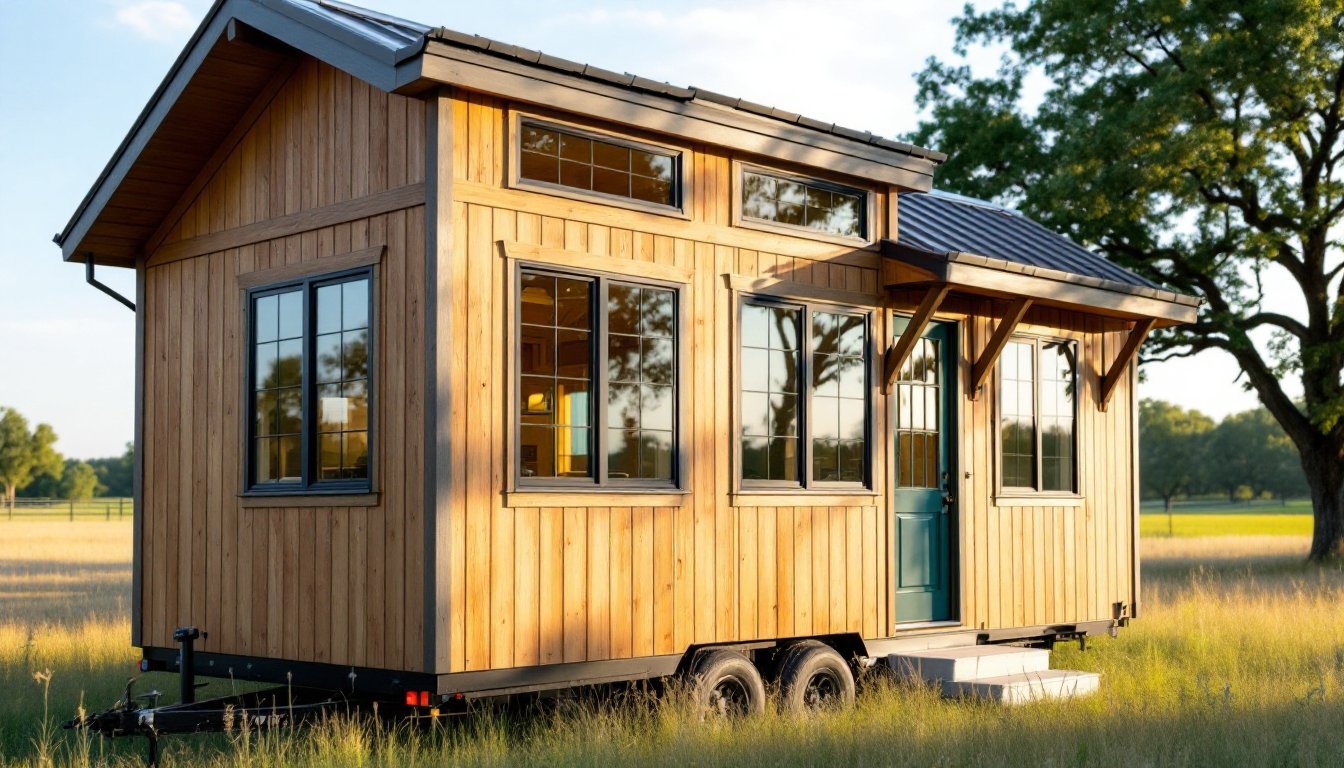
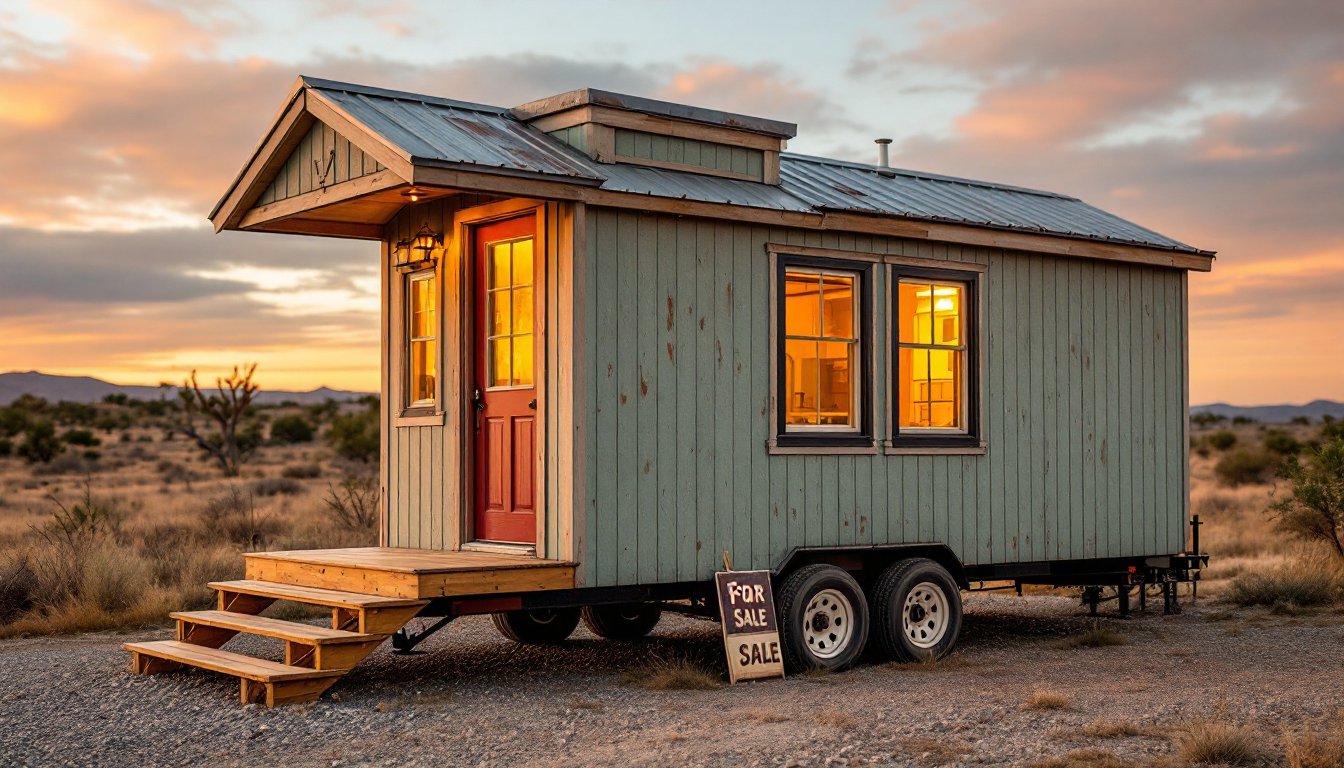
Most tiny homes at this price are DIY builds or converted structures, sheds, cargo trailers, or older RVs retrofitted for residential use. Expect basic framing, minimal insulation, and finishes that range from raw plywood to budget vinyl flooring. Electrical systems may be rudimentary (often 30-amp RV-style hookups rather than residential 200-amp service), and plumbing might be limited to a basic toilet and sink or entirely absent.
Square footage typically ranges from 80 to 200 square feet. Layouts are simple: a sleeping loft accessed by ladder, a small kitchenette, and a composting or RV toilet. Don’t expect central HVAC: window units or portable heaters are standard.
Structural concerns are common. Older units may have water damage around windows, doors, or roof seams. Check for soft spots in the subfloor, which indicate rot from leaks. Trailers may have rusted frames or axles, and tires might be dry-rotted if the unit hasn’t moved in years. Anyone new to evaluating these structures should review beginner tiny home resources to understand typical construction methods and red flags.
Some sellers price low because the home isn’t road-legal or lacks proper trailer registration. If the build exceeds weight limits or wasn’t constructed on a certified trailer, moving it could require a permitted oversize load or expensive modifications.
Essential Inspections Before You Buy a Used Tiny Home
Skipping inspections on a $10K tiny home is tempting, but it’s the fastest route to discovering expensive problems after the sale. Here’s what to check, and when to bring in help.
Structural Integrity: Inspect the trailer frame for rust, cracks, or bent members. Crawl underneath with a flashlight. Poke the subfloor and rim joists with a screwdriver to test for rot. If the frame is compromised, repairs can cost thousands and may not be worth it. For THOW units, verify that the trailer has a VIN and is titled or registrable in Texas.
Roof and Exterior: Look for missing shingles, unsealed seams, or sagging. Tiny homes often use metal roofing or EPDM rubber: both should be intact with no visible tears. Check all window and door seals. Water intrusion is the number-one killer of tiny homes, and even small leaks cause mold and structural decay.
Electrical System: Open the breaker panel (with power off) and check for proper wire sizing, grounding, and GFCI protection in wet areas. DIY electrical work is common and often doesn’t meet NEC (National Electrical Code) standards. If the system looks sketchy, exposed wire nuts, undersized breakers, or extension cords used as permanent wiring, budget for a licensed electrician to bring it to code. Cost estimators like those on HomeAdvisor can help gauge rewiring expenses.
Plumbing and Water Systems: Test all fixtures for leaks. Inspect PEX or PVC lines for proper support and freeze protection (important in North Texas winters). If the unit has a greywater or blackwater tank, check for cracks and verify dump valves work. Many budget builds use RV-style systems, which are fine but require regular maintenance.
Insulation and Ventilation: Pull back any removable panels to check insulation type and coverage. Spray foam is ideal: fiberglass batts are acceptable if properly installed and vapor-barriered. Inadequate insulation makes Texas summers unbearable and winters uncomfortable. Ensure there’s ventilation (roof vents, exhaust fans) to prevent moisture buildup.
Hire a Professional When Necessary: If the seller allows, bring a home inspector experienced with RVs or tiny homes. Standard home inspectors may not understand THOW-specific systems. Alternatively, a contractor familiar with advanced building techniques can assess structural soundness and estimate repair costs. Budget $200–$400 for this service, it’s cheap compared to buying a lemon.
Zoning Laws and Placement Considerations in Texas
Texas’s reputation for relaxed regulations is partly true, but zoning and placement rules vary dramatically by county and municipality. Buyers must research local codes before purchasing, or they risk owning a tiny home they can’t legally occupy.
Unincorporated Rural Counties: Many counties outside city limits have minimal zoning. Tiny homes on wheels are often treated as RVs, which may be allowed on private land without permits as long as they’re not a primary residence. But, some counties require RVs to be in designated RV parks or impose time limits (e.g., 180 days per year). Contact the county clerk or planning department to confirm.
City Limits and Suburbs: Municipalities typically enforce IRC (International Residential Code) standards, which mandate minimum square footage (often 120–150 sq ft for habitable rooms), egress windows, and permanent foundations. Tiny homes on wheels usually don’t qualify as legal dwellings within city limits. Austin, Houston, and San Antonio have piloted tiny home–friendly ordinances in specific districts, but these apply mainly to new construction on permanent foundations.
ADU and Backyard Placement: Some Texas cities allow tiny homes as accessory dwelling units (ADUs) on lots with existing primary residences. This requires the tiny home to meet building codes, pass inspections, and often be on a permanent foundation. Check local ADU ordinances, setback requirements, and utility connection rules.
Utilities and Septic: Off-grid setups (solar, composting toilets, rainwater collection) are common in rural Texas, but some counties require connection to public water or a septic system if the property is used as a primary residence. Installing a septic system alone can cost $3,000–$7,000, which can double your total investment. Those comparing options should review tiny homes strategies for managing utilities on a budget.
HOA Restrictions: If placing a tiny home on land within a homeowners association, review the covenants. Many HOAs prohibit RVs, trailers, and non-traditional structures outright.
Financing and Budgeting Beyond the Purchase Price
Buying a tiny home for under $10K is just the start. Budget for additional costs that can quickly add up if overlooked.
Transportation: Moving a tiny home on wheels requires a truck capable of towing the weight (often 7,000–10,000 lbs for even small units) and a trailer hitch rated appropriately. If the buyer doesn’t own a suitable vehicle, hiring a professional hauler costs $2–$5 per mile, depending on size and distance. For a 100-mile move, expect $200–$500.
Site Prep: Parking a tiny home requires a level pad. Gravel or crushed stone bases cost $200–$600 depending on size and grading needs. If utilities need trenching (electric, water, sewer), add $500–$2,000 or more.
Repairs and Upgrades: Budget at least 20–30% of the purchase price for immediate repairs. A $10K tiny home may need a new roof ($800–$1,500), fresh paint ($200–$400), or rewiring ($500–$1,500). Comparing current tiny home trends helps buyers understand which upgrades add value versus those that are cosmetic.
Insurance: Tiny homes on wheels are often insured as RVs, which costs $600–$1,200 annually depending on value and coverage. Tiny homes on permanent foundations may qualify for standard homeowners insurance, but many insurers balk at non-traditional builds. Shop specialty carriers or RV insurers.
Financing: Traditional mortgages don’t apply to tiny homes under $50K or those without permanent foundations. Most buyers pay cash or use personal loans. Credit unions and tiny home–specific lenders (like LightStream) offer unsecured loans, but rates are higher than mortgages, expect 7–12% APR. Sellers sometimes offer owner financing, which can be flexible but requires a solid contract reviewed by an attorney.
Permits and Inspections: If the tiny home requires permits for placement, electrical, or plumbing work, budget $100–$500 in fees. Inspections after DIY repairs may add another $150–$300. Buyers exploring creative tiny home ideas often find cost-saving approaches for both initial purchase and ongoing expenses.
Finally, keep a contingency fund of at least $1,000–$2,000 for unexpected issues. Used tiny homes, especially at this price point, will surprise you, sometimes pleasantly, often not. Planning for unknowns prevents a dream of affordable micro living from becoming a financial headache.