Table of Contents
ToggleTennessee’s tiny home market has exploded over the past few years, and it’s not hard to see why. Lower property costs, flexible zoning in many rural counties, and scenic landscapes make the state a practical choice for anyone ready to downsize. Whether you’re eyeing the foothills near Knoxville, the music scene in Nashville, or quiet acreage in the Cumberland Plateau, tiny homes for sale in Tennessee offer a realistic path to affordable, mortgage-light living. This guide walks you through what’s available, where to look, and what you need to know before signing paperwork.
Key Takeaways
- Tennessee offers affordable land under $3,000 per acre, no state income tax, and low property taxes, making tiny homes for sale in Tennessee an economical alternative to traditional housing in most states.
- Tiny home buyers can choose between THOWs (RV-classified, $50,000–$90,000), foundation models (permanent, $80,000–$150,000), or prefab cabins ($60,000–$110,000), each with different financing, appreciation, and zoning implications.
- Zoning regulations vary by county and municipality with no statewide tiny home law, so confirm minimum square footage rules, ADU restrictions, and septic/well requirements before purchasing land or placing a home.
- Traditional mortgages rarely work for tiny homes on wheels; instead, explore RV loans (6%–12% APR), personal loans, chattel loans for modular units, or cash payment, which accounts for 60% of tiny home sales.
- Budget for site preparation costs including well drilling ($5,000–$12,000), septic installation ($3,500–$8,000), electric service extension ($12–$25 per foot), and specialty insurance ($600–$1,200 annually) before closing.
- Knoxville, Nashville, and Chattanooga are the top markets for tiny homes for sale in Tennessee, with growing builder networks, though rural counties statewide offer more affordable land and flexible zoning options.
Why Tennessee Is a Top Destination for Tiny Home Living
Tennessee checks several boxes that matter to tiny home buyers: affordable land, a moderate climate, and a growing community of small-space advocates. Land prices in rural counties like Grundy, Overton, and Sequatchie hover well below the national average, often under $3,000 per acre for unimproved parcels. That’s a fraction of what comparable acreage costs in states like Colorado or Oregon.
The state’s climate is another draw. Winters are mild enough that standard insulation and a mini-split heat pump handle most heating needs without the cost or complexity of radiant floor systems. Summers get humid, but proper ventilation and shade placement keep interior temps manageable. You won’t need the extreme weatherproofing required in northern states or the desert Southwest.
Tennessee also has no state income tax, which stretches a tiny home budget further. Combine that with low property taxes in most counties, and the ongoing cost of ownership stays manageable. The state’s tourism economy, especially in the Smokies and along the Tennessee River, creates opportunities for short-term rental income if your zoning allows it.
Community matters, too. Tennessee hosts several tiny home villages and co-housing projects, particularly around Chattanooga and the Tri-Cities area. These developments offer shared utilities, communal spaces, and neighbors who’ve already navigated the learning curve of small-space living.
Types of Tiny Homes Available in Tennessee
The Tennessee market offers three main categories, each with different builders, price points, and foundation types.
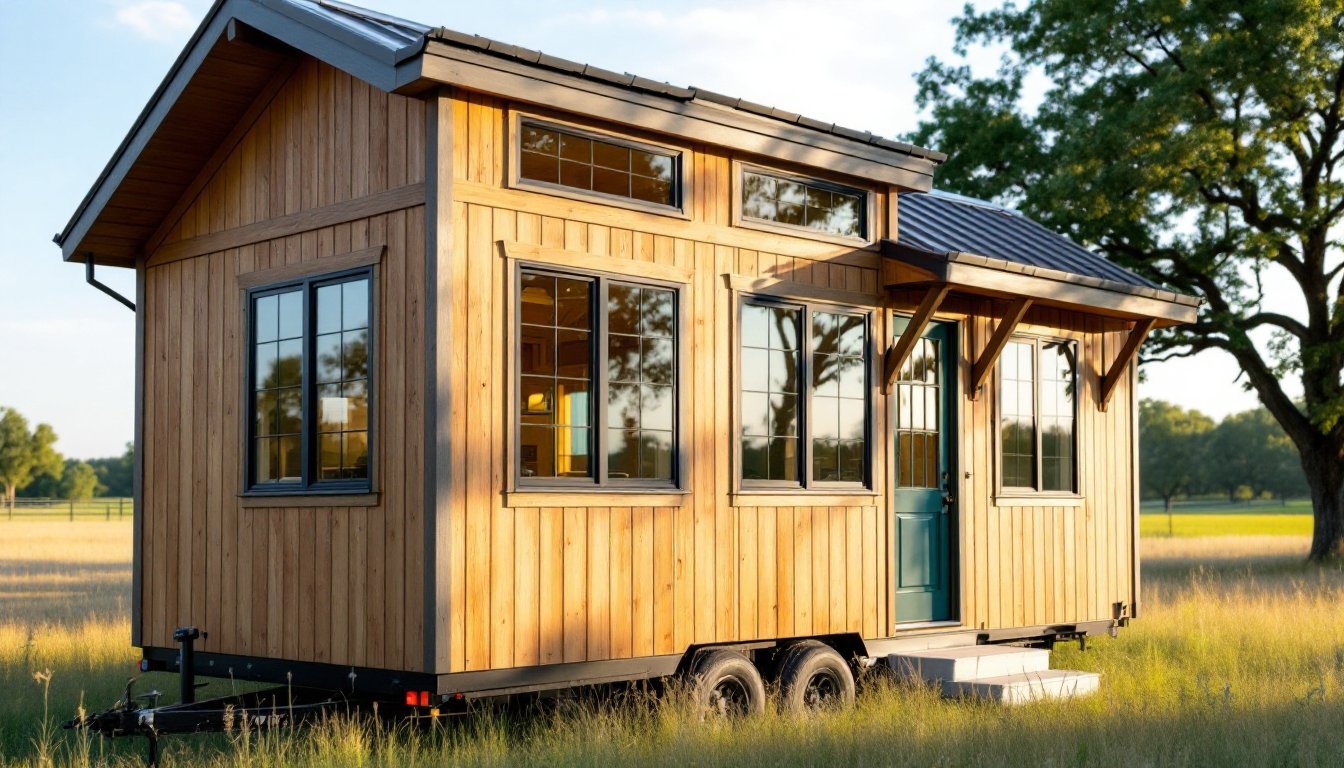
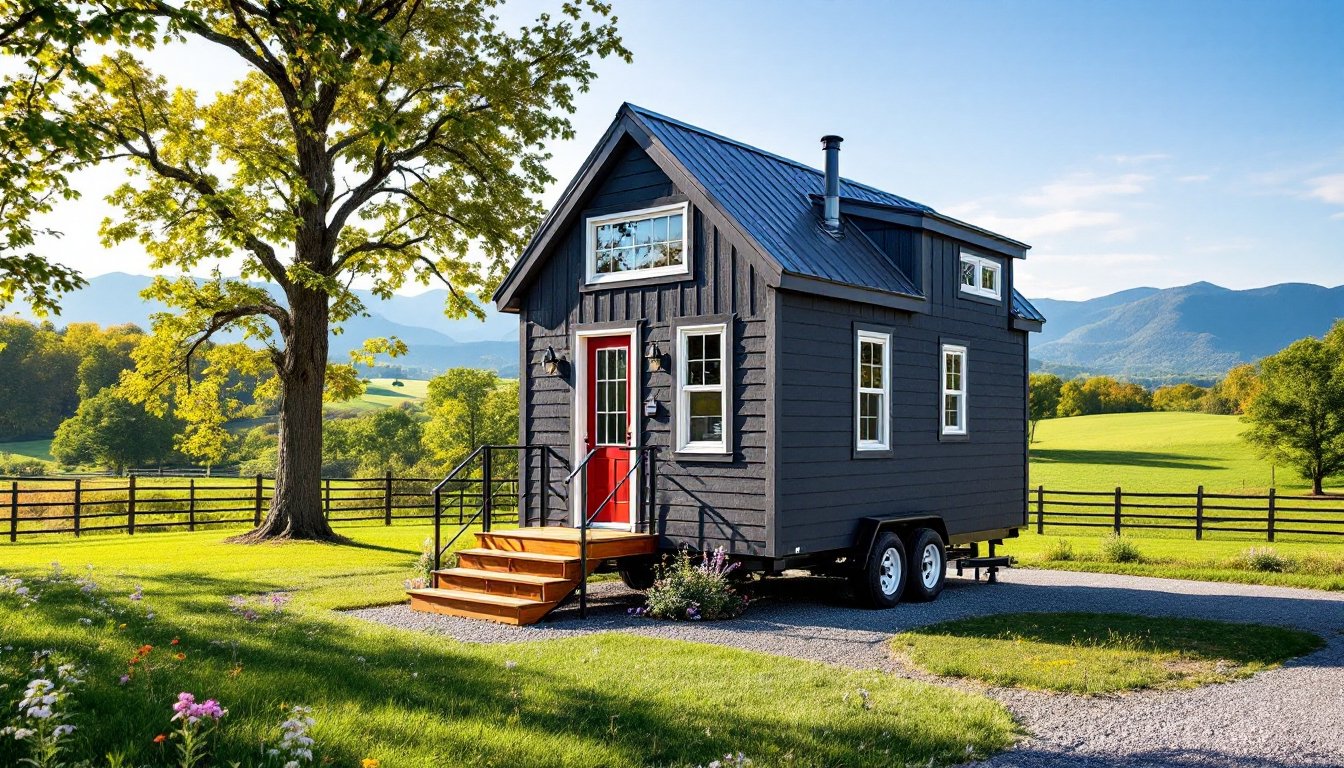
Tiny houses on wheels (THOWs) are the most common. Built on a dual-axle trailer rated for road travel, these homes range from 150 to 400 square feet and typically cost $50,000 to $90,000 turnkey. They’re classified as RVs in most counties, which sidesteps some residential building codes but also limits financing options. THOWs work well if you want mobility or plan to place the home on land you don’t own. Builders like Tiny House Chattanooga and Wind River Tiny Homes fabricate custom models with LP smart siding, spray foam insulation, and full kitchen packages.
Foundation tiny homes are stick-built structures on permanent foundations, usually a frost-protected shallow foundation (FPSF) or helical piers. Square footage runs 400 to 800 square feet, with prices between $80,000 and $150,000 depending on finishes. These homes must meet International Residential Code (IRC) Appendix Q standards, which govern ceiling height, egress windows, and loft stairs. Foundation models qualify for traditional mortgages and can appreciate like standard homes. They’re a good fit if you’re buying land outright and want a permanent structure.
Modular and prefab cabins split the difference. Manufactured off-site and delivered in sections, they’re set on a crawlspace or slab and anchored per local wind ratings. Many design trends now feature high ceilings, steel framing, and energy-efficient windows. Costs range $60,000 to $110,000 before site work. Delivery fees vary, expect to pay more if you’re in a remote county with narrow access roads.
Where to Find Tiny Homes for Sale Across Tennessee
The market clusters around three main metro areas, though rural listings pop up statewide.
In Knoxville and surrounding counties, you’ll find both tiny homes for sale Knoxville TN and raw land parcels zoned for accessory dwelling units (ADUs). The area’s proximity to Great Smoky Mountains National Park attracts buyers interested in short-term rentals. Check Zillow, Tiny House Listings, and local Facebook groups like “East Tennessee Tiny Homes.” Sevier and Blount counties have several builders offering move-in-ready models on spec.
Nashville and Middle Tennessee have seen a surge in tiny houses for sale Nashville over the past two years, driven by rising housing costs. Davidson County’s zoning is restrictive, but neighboring counties like Williamson, Rutherford, and Cheatham allow ADUs on lots of one acre or more. Nashville Tiny House and Tiny House Building Company maintain showrooms with floor models. Expect competition, inventory moves fast within 40 miles of downtown.
Chattanooga and the southeastern corner of the state offer the most builder diversity. The city’s Innovation District has explored pilot tiny home communities for workforce housing, though those units aren’t yet available for private sale. Hamilton and Bradley counties have active tiny home communities with resale inventory. Craigslist, TinyHouseFinder.com, and regional MLS listings all carry current options.
For a broader search across tiny homes Tennessee for sale or tiny homes for sale in TN, use Zillow’s “Manufactured” filter or search keywords like “tiny house,” “ADU,” or “cabin” on Land And Farm. Many sellers list directly on Facebook Marketplace or Instagram, especially for THOWs.
Don’t overlook builder direct sales. Most Tennessee fabricators keep a backlog of spec builds or customer cancellations available for immediate delivery. Touring a completed home in person reveals build quality details, wall thickness, hardware grade, plumbing routing, that photos don’t show.
What to Know Before Buying a Tiny Home in Tennessee
Buying a tiny home in Tennessee isn’t the same as buying a condo. You’re navigating zoning, utilities, and insurance that don’t fit standard residential templates.
First, confirm the home meets applicable building codes. THOWs built to RVIA (Recreational Vehicle Industry Association) standards are classified as RVs and must display a seal. Foundation homes must meet IRC Appendix Q or local amendments. Some builders skip permitting to save costs, if the home lacks a certificate of occupancy or equivalent, you’ll struggle with insurance and resale.
Utilities require planning. If you’re placing a tiny home on raw land, budget for well drilling ($5,000 to $12,000), septic installation ($3,500 to $8,000 for a standard system), and electric service extension. Rural electric co-ops in Tennessee charge $12 to $25 per foot to run new service, and you’ll need a meter base and breaker panel installed before they energize the line. If the property lacks road access, factor in gravel or grading costs, expect $2 to $4 per square foot for a basic driveway.
Insurance is tricky. Standard homeowners policies don’t cover THOWs: you’ll need RV insurance if it’s on wheels or a specialty tiny home policy if it’s on a foundation. Companies like Foremost and Strategic Insurance Agency write these policies, but coverage limits are lower than traditional homes. Expect to pay $600 to $1,200 annually depending on replacement cost and location.
Inspections matter. Hire someone familiar with tiny home construction. Standard home inspectors may flag features like ship’s ladders or composting toilets as code violations, even if they’re legal under RVIA or IRC Appendix Q. Look for inspectors who’ve worked with THOWs or modular units.
Finally, think about resale. Tiny homes depreciate faster than site-built houses, especially THOWs. If you’re financing, understand that you might owe more than the home’s worth after five years. Foundation models hold value better, particularly if they’re on owned land with utilities in place.
Zoning Laws and Regulations
Zoning is the biggest hurdle. Tennessee has no statewide tiny home law, so regulations vary by county and municipality. Here’s what you need to check before buying land or placing a home.
Start with the county zoning office. Ask three questions: Are tiny homes allowed? What’s the minimum square footage? Are THOWs classified as RVs or permanent structures? Many rural counties allow tiny homes on agricultural parcels (A-1 or A-2 zoning) with no minimum size, but you may need to meet setback requirements, typically 20 to 50 feet from property lines.
Most incorporated cities have minimum square footage rules, often 600 to 1,000 square feet for a primary residence. Nashville, Knoxville, and Chattanooga allow ADUs (accessory dwelling units) on single-family lots, but the ADU can’t exceed 50% of the primary home’s footprint or be used as a short-term rental without a permit. Some neighborhoods have HOA restrictions that ban tiny homes outright, check covenants before closing on land.
RV parks are a legal gray zone. Some Tennessee counties allow full-time RV living on private land if the unit is RVIA-certified and you’re the landowner. Others cap RV occupancy at 180 days per year. Enforcement varies, but if you’re buying a THOW to place on leased land, get the arrangement in writing and verify it’s allowed under current zoning.
Septic and well permits are separate from zoning but equally important. The Tennessee Department of Environment and Conservation (TDEC) regulates septic systems statewide. For a tiny home, you’ll likely need a Type I system (standard gravity or pump), which requires a percolation test and approved site plan. If your lot fails the perc test, you’ll need an engineered system or composting toilet setup, budget an extra $3,000 to $6,000.
Permits for foundation tiny homes follow the same process as site-built houses: building permit, electrical permit, plumbing permit, and mechanical permit if you’re installing HVAC. Expect $800 to $2,500 in permit fees depending on county and home value. For builders familiar with construction techniques, the permitting process is routine, but DIY builders often hit delays if plans don’t meet code.
Financing Your Tennessee Tiny Home Purchase
Tiny home financing is harder than traditional mortgages, but several paths work depending on the home type and your credit.
THOWs rarely qualify for mortgages. Most buyers use RV loans (7–15 year terms, 6% to 12% APR) or personal loans (3–7 years, 8% to 18% APR). RV loans require the home to have an RVIA seal and may cap the loan amount at $100,000. Lightstream, Bank of the West, and local credit unions like Ascend Federal Credit Union offer RV financing in Tennessee. Personal loans don’t require collateral but carry higher rates and shorter terms.
Foundation tiny homes on owned land qualify for construction loans or traditional mortgages if they meet IRC Appendix Q. Lenders treat them like small site-built homes. You’ll need a 20% down payment in most cases, and the home must appraise at or above the loan amount. That’s where many tiny home buyers hit a wall, appraisers struggle to find comparable sales, especially in rural areas. If you’re building custom, a construction-to-permanent loan rolls both phases into one mortgage, but expect higher rates (currently 7.5% to 9% for well-qualified borrowers).
Chattel loans work for modular or manufactured tiny homes not attached to a permanent foundation. These loans are secured by the home itself, not the land. Terms run 15 to 20 years with rates 1% to 2% higher than conventional mortgages. 21st Mortgage and Vanderbilt Mortgage specialize in chattel loans and work with Tennessee buyers.
If you own land free and clear, a home equity loan or HELOC (home equity line of credit) can fund a tiny home purchase. Rates are lower than personal loans (7% to 10%), and you can borrow against your land’s appraised value. Just be aware you’re putting your property at risk if you default.
Cash remains the most common payment method. Nearly 60% of tiny home buyers pay in full, either from savings or by selling a larger home. If you’re in that position, negotiate, sellers often discount 5% to 10% for cash deals with quick closing.
For first-time buyers exploring affordable strategies, consider starting with a used THOW. Resale models run $25,000 to $50,000, and you can upgrade systems or finishes over time. Used homes depreciate slower than new ones, and you’ll know immediately if any systems need repair.
Conclusion
Tennessee’s combination of affordable land, flexible rural zoning, and a growing builder network makes it one of the best states for tiny home buyers in 2026. Whether you’re after a THOW for mobility, a foundation model for long-term equity, or a prefab cabin in the Smokies, the inventory exists, you just need to match it to your zoning, financing, and lifestyle needs. Do your assignments on local regulations, tour homes in person, and budget for site prep and utilities. The payoff is a low-cost, low-maintenance home in a state that welcomes the tiny living movement.