Table of Contents
ToggleMissouri’s blend of affordable land, relaxed building regulations in many counties, and scenic rural landscapes has turned the state into a magnet for tiny home buyers. Whether someone’s downsizing from a traditional house, chasing lower utility bills, or building a weekend retreat in the Ozarks, the Show-Me State offers options that range from turnkey models to custom builds. But buying a tiny home here isn’t as simple as picking a floor plan and signing a check. Zoning rules vary wildly by jurisdiction, financing can be tricky, and the difference between a park model and a certified dwelling affects everything from resale value to insurance. This guide walks through where to find tiny homes for sale in Missouri, what they cost, and the legal and financial hurdles buyers need to clear before moving in.
Key Takeaways
- Missouri offers affordable tiny homes for sale ranging from $30,000 to $120,000 depending on size and features, with land costs between $1,500 and $4,000 per acre in rural counties.
- Zoning laws vary significantly by county and municipality, so buyers must research local regulations before purchasing—some areas allow tiny homes on agricultural land while others enforce stricter IRC Appendix Q standards.
- Financing tiny homes in Missouri typically requires personal loans (7–15% APR), RV loans for certified models, or chattel loans for leased-land properties, since traditional mortgages rarely cover structures under 600 square feet.
- Site preparation and utilities add 15–25% to the purchase price, including well drilling ($3,500–$8,000), septic systems ($4,000–$7,000), and foundation work, so budget accordingly before closing.
- Local Missouri builders like Incredible Tiny Homes and Mint Tiny Homes simplify the buying process with warranties and delivery support, while online platforms and owner-built options offer lower prices but require thorough inspection and permitting verification.
Why Missouri Is a Top Destination for Tiny Home Living
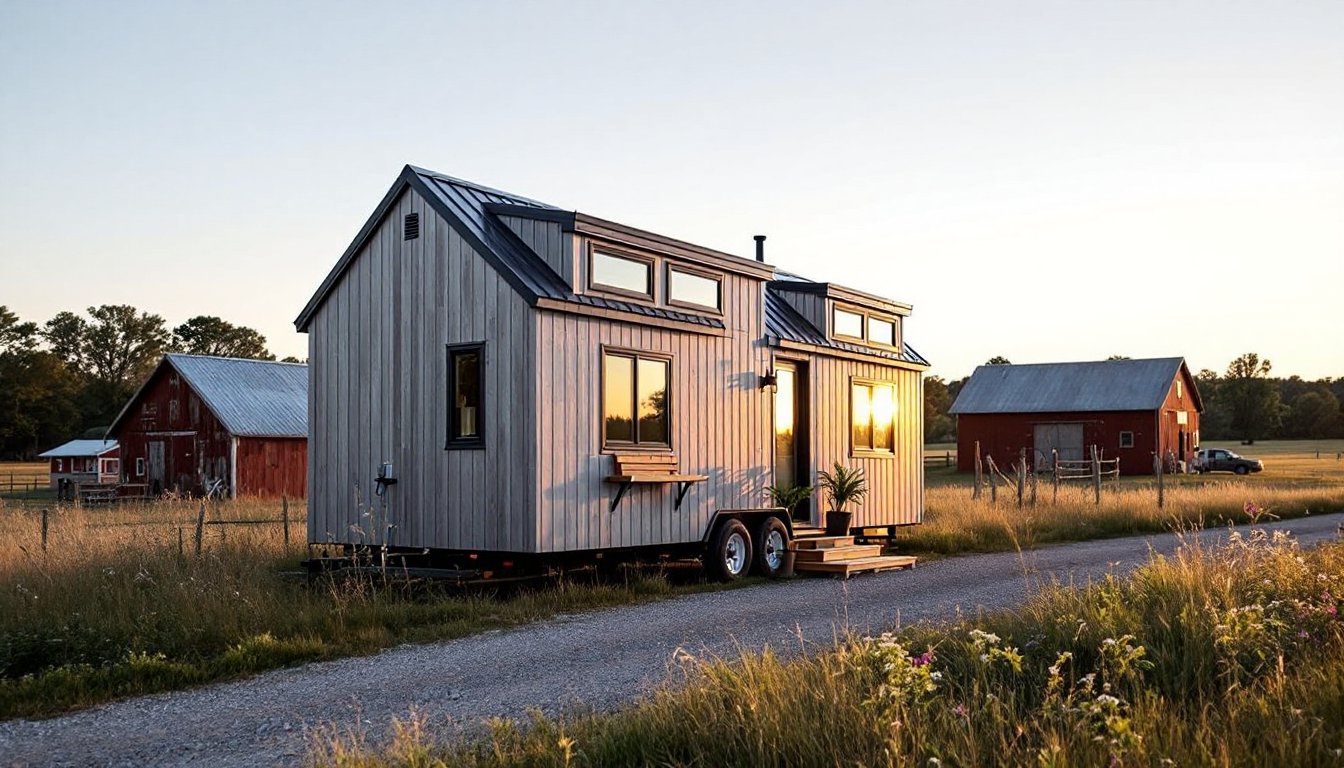
Missouri’s geography and cost of living make it a practical choice for tiny home enthusiasts. Land prices in rural counties like Howell, Texas, and Shannon run between $1,500 and $4,000 per acre, significantly lower than neighboring states. That affordability extends to utilities, many rural plots come with well and septic access already in place, cutting down on hookup costs.
The state’s climate supports year-round living with proper insulation. Winters average 20–40°F in northern counties, while summers hit 85–95°F statewide. A well-built tiny home with R-21 wall insulation and a mini-split HVAC system handles those swings without the energy drain of a full-size house.
Missouri also lacks a statewide zoning law for tiny homes, which shifts authority to county and municipal governments. Some counties, particularly in the Ozarks, have minimal building restrictions for structures under 400 square feet. Others require compliance with the International Residential Code (IRC) Appendix Q, which sets standards for dwellings between 120 and 400 square feet. This patchwork creates opportunities for buyers willing to research local ordinances, but it also means a property that’s legal in one county might not pass muster 20 miles away.
Where to Find Tiny Homes for Sale in Missouri
Popular Tiny Home Builders and Dealers in the State
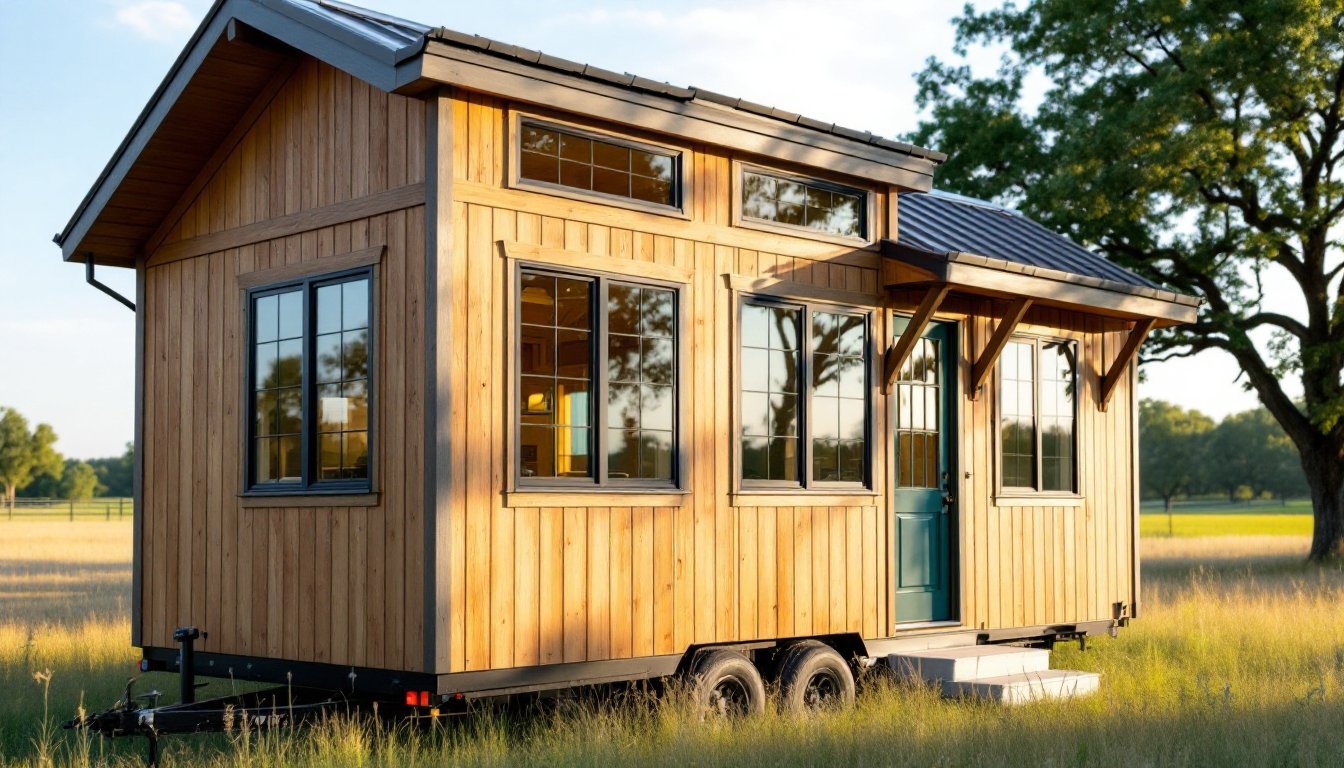
Several Missouri-based builders specialize in tiny homes, and working with a local outfit often simplifies delivery and warranty service. Incredible Tiny Homes, based in Morrisville, builds custom models ranging from 100 to 400 square feet, with options for off-grid solar packages and composting toilets. Their base models start around $45,000 for a bare shell and climb to $85,000 fully finished.
Mint Tiny Homes in Springfield focuses on park models certified under ANSI 119.5, which matters for buyers planning to place their home in an RV park or on leased land. These units typically measure 8.5 feet wide by 40 feet long and include full kitchens, bathrooms with standard plumbing, and lofted sleeping areas. Pricing runs $60,000 to $95,000 depending on finishes.
For buyers considering tiny home building techniques, some builders offer DIY shell packages where the buyer finishes the interior. This cuts costs by 30–40% but requires solid carpentry skills and access to tools like a pneumatic nailer, circular saw, and level.
Online Marketplaces and Classified Listings
National platforms like Tiny House Listings and Tiny House Marketplace feature Missouri-based sellers, though inventory fluctuates. Buyers can filter by size, price, and whether the unit is on wheels or a permanent foundation. Expect to see used models priced 20–40% below new, but inspect thoroughly, roof leaks, subfloor rot, and outdated electrical systems are common issues in older builds.
Facebook Marketplace and Craigslist occasionally list owner-built tiny homes, but these sales come with zero warranty and often lack permitting documentation. Anyone considering an owner-built unit should hire a home inspector familiar with tiny home construction. Look for proper flashing around windows, adequate ventilation to prevent mold, and whether the trailer frame (if applicable) is rated for the structure’s weight.
Auction sites like Bring a Trailer sometimes feature high-end custom builds, though these lean toward eye candy rather than practical starter homes. Pricing often exceeds $100,000 for units with features like cedar siding, soapstone counters, and radiant floor heating.
What to Expect: Pricing and Features of Missouri Tiny Homes
Pricing for tiny homes in Missouri breaks down into three tiers. Entry-level models (100–200 square feet) range from $30,000 to $50,000. These typically include basic appliances, laminate counters, vinyl plank flooring, and minimal cabinetry. Walls are often 2×4 framing with fiberglass batt insulation, which works for three-season use but struggles in extended sub-freezing weather without supplemental heat.
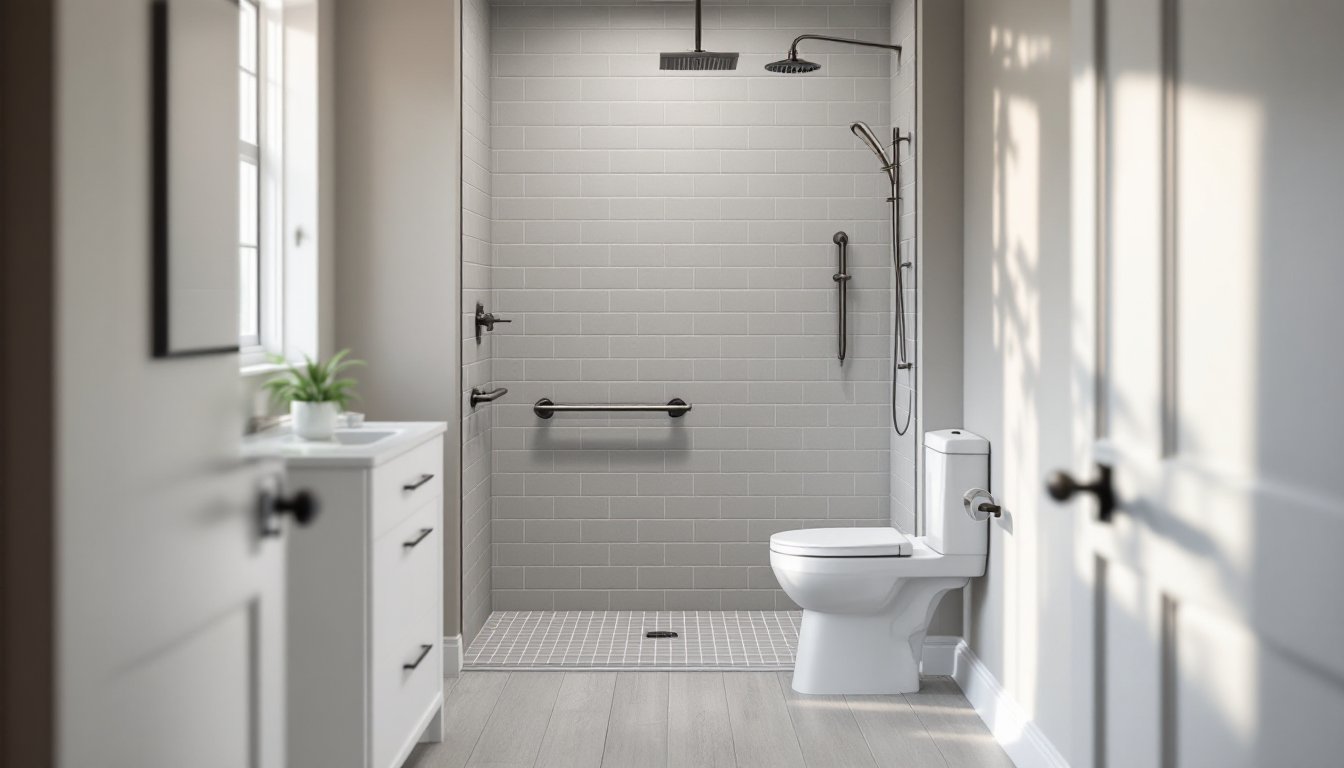
Mid-range builds (200–300 square feet) cost $50,000 to $80,000 and upgrade to features like quartz countertops, stainless appliances, and spray foam insulation for better thermal performance. Many include a full bathroom with a standard 60-inch tub or shower, which matters for resale value and livability. Electrical systems in this range typically meet NEC (National Electrical Code) standards with a 100-amp service panel, GFCI outlets in wet areas, and proper grounding.
Premium models (300–400 square feet) run $80,000 to $120,000 and often incorporate structural upgrades like SIPs (structural insulated panels), standing-seam metal roofing, and commercial-grade windows. Some builders offer creative design ideas like Murphy beds, fold-down tables, and slide-out extensions that add livable space without increasing the footprint.
Buyers should budget an additional 15–25% of the purchase price for site prep, utility hookups, and delivery. A well-drilled in rural Missouri costs $3,500 to $8,000 depending on depth. A septic system for a single-bedroom dwelling runs $4,000 to $7,000 for a conventional gravity system, more for advanced treatment units required in areas with high water tables. Gravel pads cost around $800 to $1,500 for a 400-square-foot base, while a full concrete slab adds $3,000 to $5,000.
Zoning Laws and Legal Considerations for Tiny Homes in Missouri
Missouri’s lack of statewide tiny home legislation means buyers must research rules at the county and city level. Some municipalities classify tiny homes on wheels as recreational vehicles (RVs), which limits where they can be permanently parked. Others treat them as accessory dwelling units (ADUs), allowing placement on properties with an existing primary residence.
Counties like Taney and Stone in the Ozarks have looser restrictions, with some allowing tiny homes on agricultural or residential-zoned land as long as they meet basic safety standards. In contrast, St. Louis County and Kansas City enforce stricter codes requiring compliance with IRC Appendix Q, including minimum ceiling heights of 6 feet 8 inches in most areas and 6 feet 4 inches in bathrooms and kitchens.
Buyers planning to live in a tiny home full-time should confirm the property’s zoning classification before purchasing land. Many tiny home strategies involve placing the structure on agricultural land, which often has lower minimum square footage requirements than residential zones. But, some counties restrict agricultural zoning to working farms, not just vacant acreage.
Permits are another consideration. A tiny home on a permanent foundation typically requires a building permit, and inspections will verify electrical, plumbing, and structural work. Inspectors check for proper stud spacing (typically 16 inches on center for load-bearing walls), correct wire gauge for circuits, and that plumbing vents extend through the roof to prevent sewer gas buildup. Tiny homes on wheels may not require a building permit but often need state vehicle registration if they’re road-legal.
Buyers should also confirm homeowner’s insurance availability before closing. Many insurers treat tiny homes on wheels as RVs, which caps coverage and excludes theft or liability claims. Permanent-foundation tiny homes may qualify for standard homeowner’s policies if they meet local building codes. Resources like Angi provide contractor reviews and cost estimates for site prep and compliance work.
Financing Your Tiny Home Purchase in Missouri
Traditional mortgages don’t cover tiny homes on wheels, and many banks won’t finance structures under 600 square feet even on a permanent foundation. That leaves buyers with a few options, each with trade-offs.
Personal loans from banks or credit unions are the most common route. Rates range from 7% to 15% APR depending on credit score, with terms typically capped at 10 years. A $60,000 loan at 10% APR over seven years costs around $990 per month. The advantage is fast approval and no collateral requirements beyond the buyer’s creditworthiness. The downside is higher interest compared to a traditional mortgage.
RV loans apply to certified park models and tiny homes built on trailers that meet RVIA (Recreational Vehicle Industry Association) or NOAH (National Organization of Alternative Housing) standards. Rates run 6% to 12% APR with terms up to 15 years. Lenders require proof of certification, so buyer-built or non-certified units won’t qualify.
Chattel loans work for tiny homes on leased land, like in a tiny home community. These loans treat the structure as personal property rather than real estate, similar to financing a mobile home. Rates are higher than mortgages but lower than unsecured personal loans, typically 8% to 12% APR.
For those comparing tiny homes vs traditional housing, the financing gap is a real consideration. A permanent-foundation tiny home that meets local building codes may qualify for a conventional mortgage if the land and structure combined meet the lender’s minimum appraised value, usually $50,000 or more. Some buyers solve this by purchasing land outright and financing only the structure, or by using a construction loan during the build phase and refinancing once complete.
Buyers considering DIY builds can explore how to build a tiny home on a cash basis, purchasing materials in stages. A basic shell costs $15,000 to $25,000 in materials, with another $10,000 to $20,000 for finish work, plumbing, and electrical. This approach avoids interest but requires months of labor and access to tools like a miter saw, table saw, and pneumatic framing nailer. Permitting still applies, and inspections happen at framing, rough-in, and final stages.
Some Missouri buyers also tap home equity loans or HELOCs from their existing properties to fund a tiny home purchase. Rates are lower, often 5% to 8% APR, but this puts the primary residence at risk if payments lapse. For cost planning and contractor resources, platforms like ImproveNet offer project estimators and bid comparisons.
Finally, a few tiny home communities in Missouri offer rent-to-own programs, where buyers lease a lot and structure with monthly payments credited toward ownership after a set term. These arrangements often come with higher total costs but require minimal upfront capital, making them accessible for buyers with lower credit scores or limited savings. Always review the contract terms carefully, some programs include escalation clauses or restrictions on modifications that limit long-term value.