Table of Contents
ToggleIndianapolis homebuyers are discovering what minimalists have known for years: smaller doesn’t mean sacrificing comfort or quality. Tiny homes, typically under 400 square feet, offer a practical alternative to traditional housing, especially as mortgage rates remain high and property taxes climb. The Indianapolis market has responded with a growing inventory of move-in-ready tiny homes, DIY kits, and custom builds. Whether someone’s downsizing after retirement, seeking a backyard guest house, or simply tired of maintaining 2,000 square feet they don’t use, the options in central Indiana are more diverse than ever.
Key Takeaways
- Tiny homes for sale in Indianapolis range from $40,000 to $120,000, a fraction of the median home price of $265,000, making homeownership more accessible for first-time buyers and retirees.
- Operating costs for tiny homes are 60-70% lower than traditional single-family homes, with annual property taxes in Marion County ranging from $1,200 to $1,800 for well-insulated, compact spaces.
- Indianapolis’s updated 2024 ADU policies and surrounding county zoning rules permit tiny homes on existing residential lots, creating opportunities for rental income, guest houses, or aging-in-place solutions.
- Foundation-built, RVIA-certified mobile, and prefab modular tiny homes each offer distinct trade-offs in financing, mobility, and code compliance—buyers should verify building standards and hire inspectors familiar with tiny home construction.
- Personal loans, RV loans, and cash purchases are the primary financing options for tiny homes, as most conventional mortgages require permanent foundations and minimum square footage exceeding 600 square feet.
- Success with tiny homes depends on realistic storage planning, utility hookup confirmation, zoning verification through the Department of Metropolitan Development, and selecting a structure aligned with long-term lifestyle goals.
Why Tiny Homes Are Gaining Popularity in Indianapolis
The median home price in Indianapolis hit $265,000 in early 2026, pushing many first-time buyers and retirees toward alternatives. Tiny homes offer purchase prices ranging from $40,000 to $120,000 depending on size and finishes, a fraction of traditional housing costs.
Lower property taxes sweeten the deal. A 320-square-foot tiny home on a foundation typically carries an assessed value under $80,000, resulting in annual property taxes around $1,200 to $1,800 in Marion County (rates vary by township). Utilities follow the same pattern: heating and cooling a compact, well-insulated space costs 60-70% less than a standard single-family home.
The city’s relatively lenient ADU (accessory dwelling unit) policies, updated in 2024, allow tiny homes on existing residential lots in many neighborhoods. Homeowners are using them as rental income generators, aging-in-place solutions for parents, or dedicated home offices. The surrounding counties, Hamilton, Hendricks, and Johnson, have followed suit with varying restrictions, opening up suburban land for creative tiny home designs that suit different lifestyles.
Types of Tiny Homes Available in the Indianapolis Market
Indianapolis sellers offer three main categories, each with distinct trade-offs.
Foundation-built tiny homes sit on permanent concrete slabs or crawl spaces, just like traditional houses. They meet IRC (International Residential Code) standards, which simplifies financing and insurance. Builders in the area deliver turnkey models ranging from 240 to 500 square feet, often with lofted sleeping areas and full-size appliances. Expect engineered floor joists, spray foam insulation, and Hardie plank or LP SmartSide exteriors. These units require typical permits and inspections.
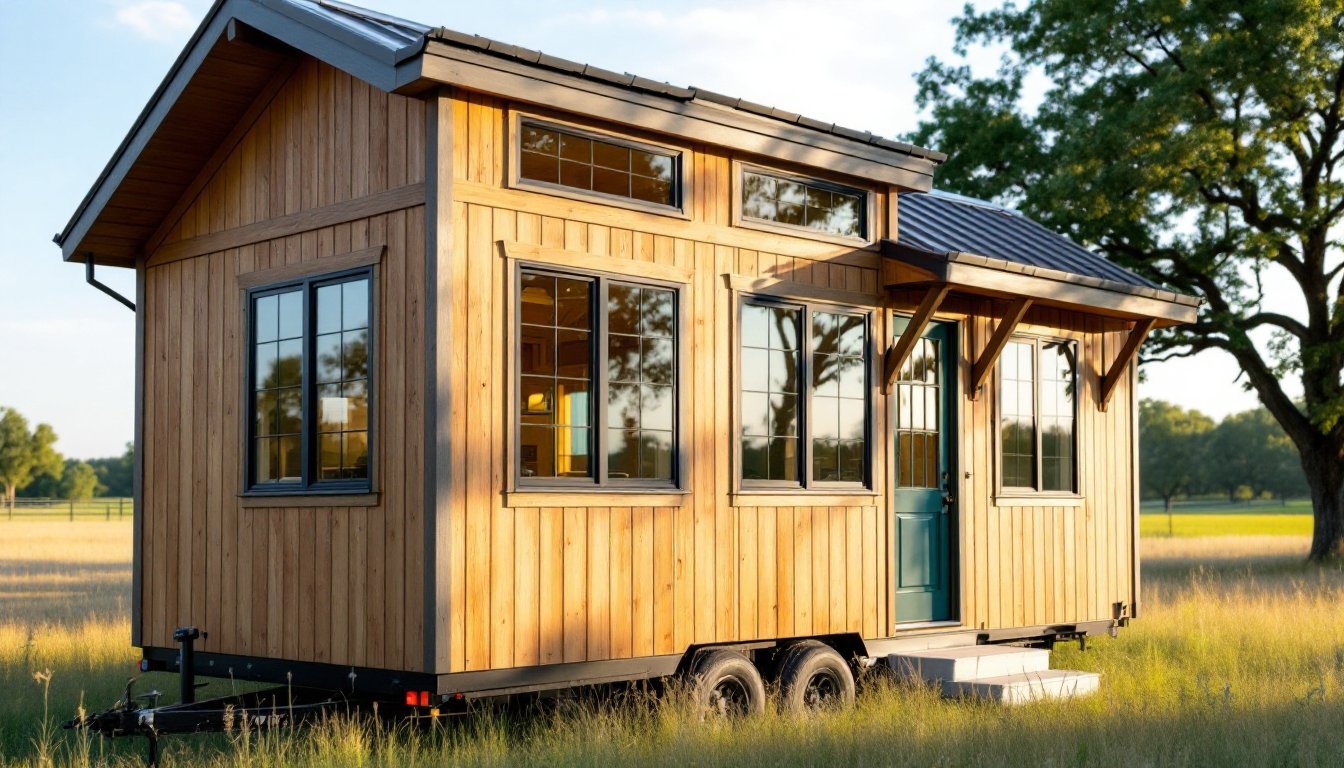
RVIA-certified tiny homes on wheels are built to the same standards as RVs, making them technically movable (though most stay parked long-term). They roll on trailers with dual axles rated for 10,000 to 14,000 pounds GVWR. Framing uses 2×4 studs on 16-inch centers, sheathed in lightweight materials to stay under road weight limits. Windows are often RV-style dual-pane, and propane appliances are common. Insurance and financing work differently, these are titled as vehicles, not real property.
Prefab and modular tiny homes arrive in sections and are assembled on-site. Manufacturers build walls, install wiring, and finish interiors in climate-controlled factories, then transport panels or modules via flatbed. Assembly takes one to three days. Quality control is tighter than stick-built, and pricing is often 15-20% lower due to bulk material purchasing. Several Indiana-based modular builders deliver within a 150-mile radius of Indianapolis, handling crane rental and foundation coordination.
Where to Find Tiny Homes for Sale in Indianapolis
The Indianapolis tiny home market isn’t concentrated in one dealership lot, it’s spread across several channels.
Local builders and custom fabricators operate in surrounding towns like Greenwood, Noblesville, and Plainfield. These shops build to order, allowing buyers to specify floor plans, finishes, and utility hookups. Lead times run 12 to 20 weeks depending on the season. Visiting a builder’s shop lets buyers inspect framing techniques, insulation methods, and finish carpentry up close. Ask to see examples of roof trusses and how they handle moisture barriers, critical details for Indiana’s humid summers.
Online marketplaces like Tiny House Listings, Facebook Marketplace, and Craigslist consistently feature Indianapolis-area units. Private sellers list used tiny homes, often already permitted and sited on leased land. Buyers should verify title status, outstanding liens, and whether the structure was built to code or as a DIY project. Request photos of the subfloor, electrical panel, and plumbing penetrations. Most resales fall between $35,000 and $75,000.
RV dealers in the metro area stock park models and certified tiny homes on wheels. These dealerships offer financing through RV lenders, and some include delivery and setup within 100 miles. Models on display let buyers test layouts, check headroom in lofts, and operate slide-outs or fold-down furniture. Dealers also handle title transfers and registration with the BMV.
Real estate platforms like Zillow and Realtor.com occasionally list foundation tiny homes, especially ADUs sold with the primary property. Tiny home strategies vary widely depending on whether the buyer wants mobility or a permanent structure, so filtering search results by property type helps narrow options.
What to Consider Before Buying a Tiny Home in Indianapolis
Buying a tiny home involves different considerations than a traditional house purchase. Start with a realistic assessment of storage needs and daily routines. A 280-square-foot interior means every item needs a designated spot, no junk drawers or unused guest bedrooms to absorb overflow.
Utilities and hookups require planning. Foundation models need standard water, sewer, and electrical service, plus a 200-amp panel if using electric heating and a washer/dryer. Tiny homes on wheels often use RV-style connections: a 30- or 50-amp shore power cord, a freshwater hose, and a sewer dump hose. Buyers parking on private land need to confirm utility access and whether septic or city sewer is available. Greywater systems and composting toilets are alternatives, but county health departments regulate wastewater disposal strictly.
Inspection and code compliance matter, even for small structures. Hire an inspector familiar with tiny homes, standard home inspectors may not understand RVIA standards or the load calculations for a structure on a trailer frame. Check that electrical work follows NEC (National Electrical Code), with proper wire gauge for 120V and 240V circuits, GFCI protection in wet areas, and a bonded ground system. Roof sheathing should be at least 7/16-inch OSB, and wall studs should be properly fastened to top and bottom plates.
Heating and cooling systems in compact spaces need careful sizing. An oversized furnace will short-cycle and waste energy: an undersized mini-split won’t keep up in July. Many Indianapolis tiny homes use ductless mini-splits rated around 9,000 to 12,000 BTU, paired with a small electric or propane heater for winter. Insulation values matter, aim for at least R-19 in walls and R-30 in the roof to handle Indiana’s temperature swings.
Zoning Laws and Placement Options
Indianapolis zoning code allows ADUs in most single-family residential districts, provided the tiny home meets setback requirements (typically 5 feet from side property lines, 10 feet from the rear). The structure’s height can’t exceed the primary dwelling, and total lot coverage, including the main house, garage, and ADU, must stay under 50% in most zones.
Tiny homes on wheels face stricter rules. The city classifies them as RVs, which aren’t permitted as permanent dwellings in residential zones. Some owners place them on agriculturally zoned land in surrounding counties, or on commercially zoned parcels where RVs are allowed. Hamilton County permits tiny homes on wheels on properties of five acres or more with conditional use approval. Hendricks County requires a foundation and permanent utility connections for any dwelling under 600 square feet.
Buyers should confirm zoning status before closing. Call the Department of Metropolitan Development (DMD) in Indianapolis or the county planning office for suburban locations. If a variance or rezone is needed, expect a 60- to 90-day process and a public hearing. Some tiny home trends in 2026 involve tiny home communities or co-housing, where zoning is pre-approved and utilities are shared, these developments are emerging in Hancock and Johnson counties.
Financing Your Tiny Home Purchase
Financing a tiny home isn’t as straightforward as a conventional mortgage. Banks hesitate to lend on structures under 600 square feet or on wheels, viewing them as higher risk.
Personal loans are the most common route for tiny homes under $75,000. Rates range from 7% to 12% depending on credit score, with terms up to 15 years. These are unsecured loans, so no appraisal is required, but monthly payments are higher than a traditional mortgage. Some credit unions in Indiana, like Elements Financial and Indiana Members Credit Union, offer personal loans specifically for tiny homes with slightly better terms.
RV loans apply to RVIA-certified tiny homes on wheels. Interest rates sit between 6% and 10%, with 10- to 20-year terms. Lenders require the home to be titled and registered as an RV. Down payments typically start at 10-20%. Several national RV lenders, including LightStream and Bank of the West, serve the Indianapolis market.
Conventional mortgages work if the tiny home is on a permanent foundation, meets local building codes, and sits on owned land. The property must appraise for the loan amount, which can be tricky given limited comparable sales. Expect a 20% down payment and rates around 7% to 7.5% as of mid-2026. FHA loans rarely apply due to minimum square footage requirements (typically 400 square feet).
Cash purchases account for nearly 40% of tiny home sales in the Indianapolis area, according to data from Apartment Therapy’s 2025 housing report. Buyers often sell a larger home, liquidate retirement accounts, or save aggressively to avoid financing altogether. Cash offers also speed up closing and eliminate loan contingencies.
Some builders offer in-house financing or rent-to-own arrangements, splitting the purchase into 24 to 60 monthly payments. Read contracts carefully, interest rates can exceed 12%, and missed payments may result in forfeiture of the home and prior payments.
Conclusion
Tiny homes in Indianapolis offer a tangible path to homeownership, reduced expenses, and simplified living. The market includes options for every skill level and budget, from move-in-ready builds to DIY kits. Success hinges on understanding zoning rules, securing appropriate financing, and choosing a structure that matches long-term goals. Buyers who do their assignments, visiting builders, checking code compliance, and confirming utility access, find that downsizing doesn’t mean compromising on comfort or quality.